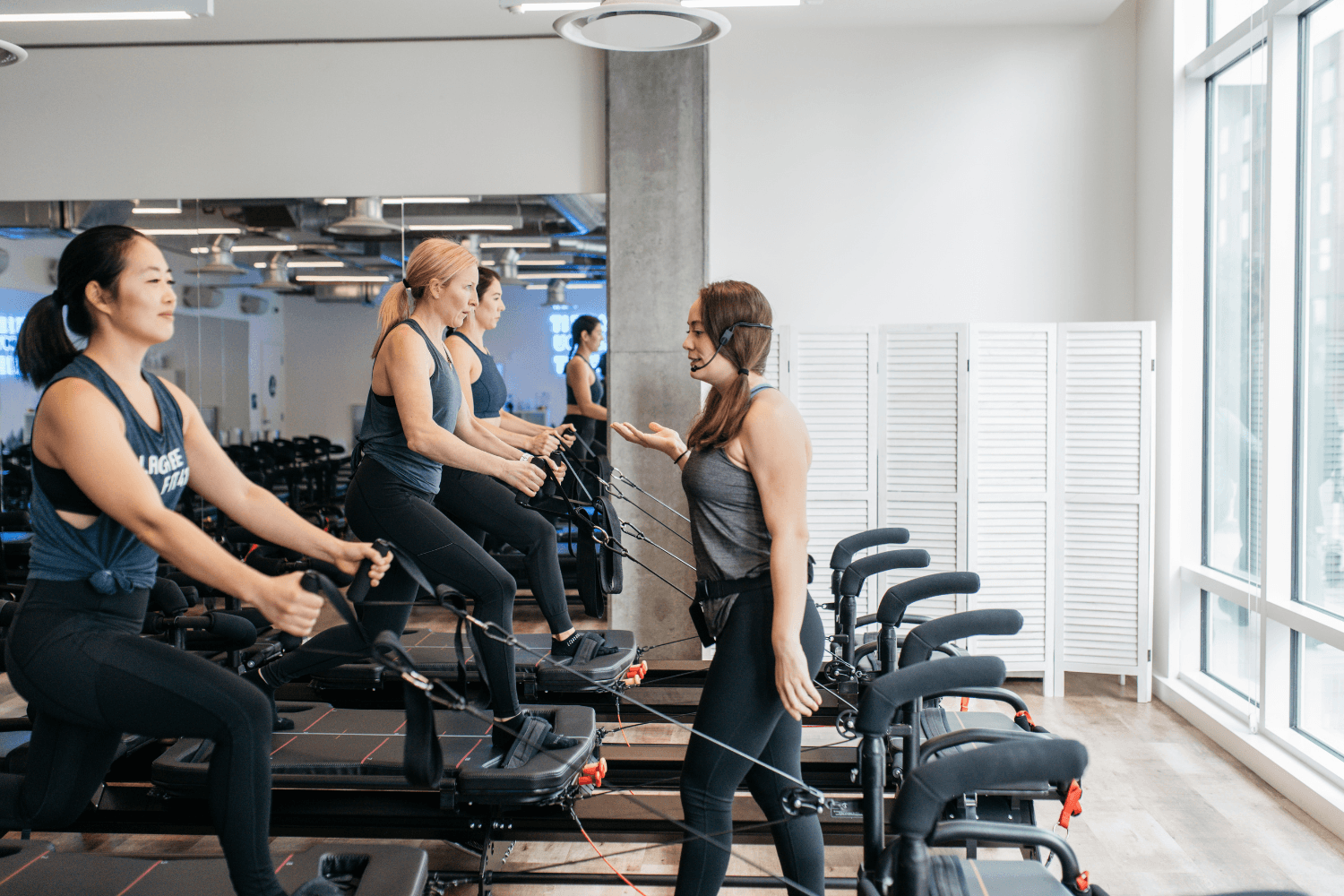
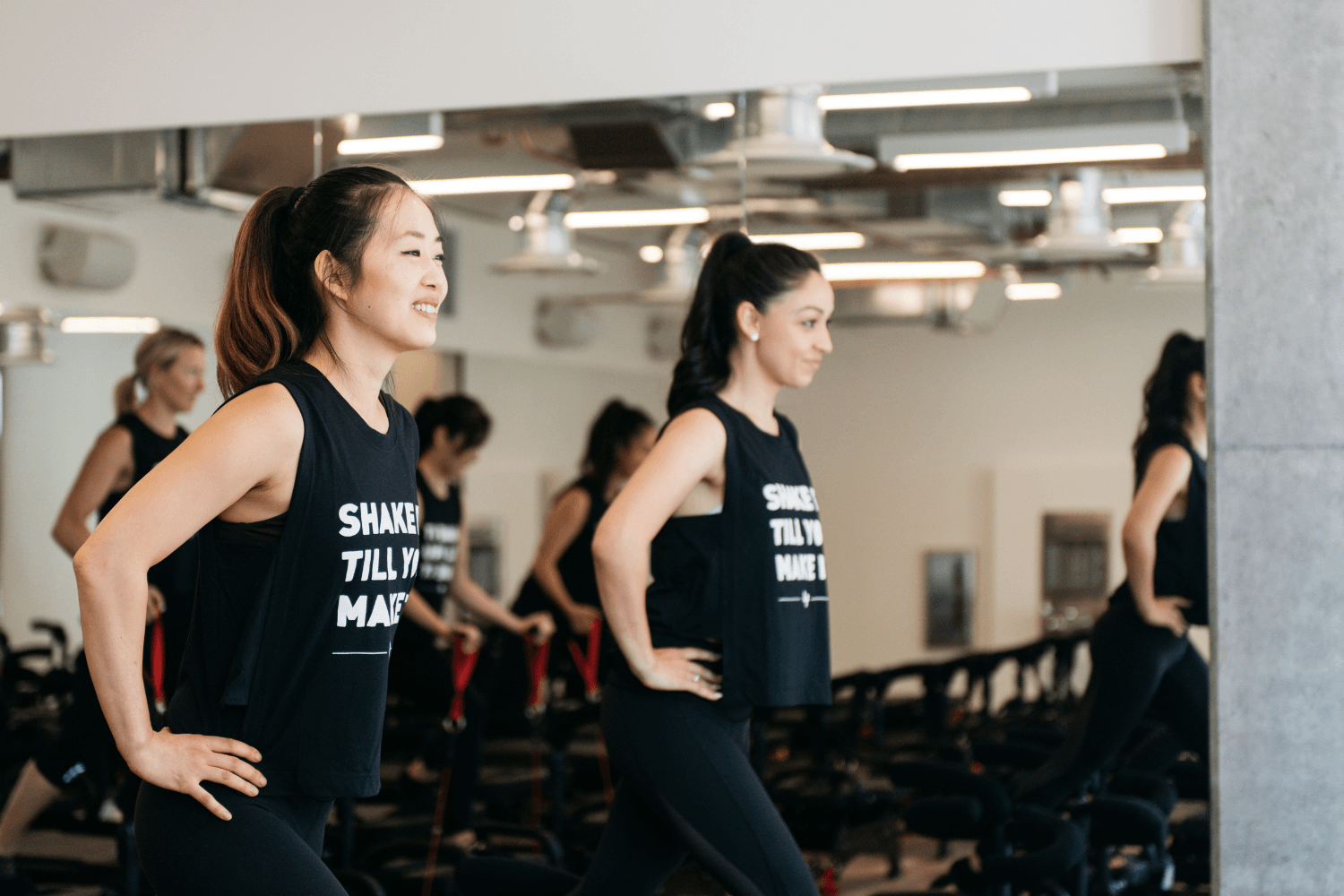
Intermittent fasting has become one of the most popular approaches in modern wellness. From busy professionals to fitness enthusiasts, more people are experimenting with fasting and fitness to simplify their routines, improve energy, and support fat loss goals. At the same time, workouts like Lagree are gaining traction for their efficiency and intensity.
Naturally, a big question comes up: can you combine the two? Can you do Lagree while intermittent fasting?
The short answer is yes, many people can successfully pair Lagree and IF. But like most things in fitness, the real answer depends on timing, energy levels, and how well your body recovers.
Let’s explore how Lagree and IF can work together in a smart, sustainable way. You will learn when it makes sense to train fasted, when it might not, and how to approach intermittent fasting workouts without compromising performance or safety.

What Is Intermittent Fasting, and Why Do People Train Fasted?
Intermittent fasting is an eating pattern that cycles between periods of eating and fasting. Instead of focusing on what you eat, it focuses on when you eat.
Some of the most common approaches include:
- 12:12, which is 12 hours fasting and 12 hours eating
- 14:10, which slightly extends the fasting window
- 16:8, one of the most popular methods, with 16 hours fasting and an 8-hour eating window
People are drawn to fasting and fitness for several reasons:
- Convenience and fewer meals to plan
- Fat loss support
- Improved mental clarity
- Better appetite control
- A sense of routine and structure
When it comes to intermittent fasting workouts, there is no universal rule that says training fasted is better or worse. It depends on the person, the type of workout, and how the body responds.
Where Lagree Fits Into the Fasting and Fitness Conversation
Lagree is not your average workout. It is slow, controlled, and deeply challenging.
Key characteristics include:
- Continuous time under tension
- High muscular endurance demands
- Full-body engagement
- Low-impact but high-intensity format
This is important because Lagree is very different from something like a light walk or gentle yoga session while fasted.
With Lagree, your muscles are working constantly. Your core is engaged almost the entire time. Your focus and coordination matter. That means you need to be more intentional when combining lagree and IF.
Instead of asking “can I do this fasted,” the better question is “how do I do this in a way that supports performance and recovery?”
Can You Do Lagree While Intermittent Fasting?
Yes, many people can do Lagree while intermittent fasting.
However, it depends on several factors:
- Your experience with fasting
- The timing of your class
- The intensity of the session
- Your sleep and stress levels
- How well you recover afterward
Some people feel sharp, focused, and energized during fasted workouts. Others feel drained, shaky, or mentally foggy.
This is where individual response matters more than trends. Just because fasting and fitness works for someone else does not mean it will feel the same for you.
The goal is not to force fasted Lagree. The goal is to notice how your body responds and adjust accordingly.
The Best Time to Do Lagree If You’re Fasting
Timing plays a big role in how successful intermittent fasting workouts feel.
Here are the most common options:
Training at the End of Your Fast
This means working out right before you break your fast.
Pros:
- You can eat shortly after, which supports recovery
- You may feel mentally focused
Cons:
- Energy may be lower toward the end of a long fast
Training Right Before Your First Meal
This is similar to the above but often more intentional.
Pros:
- Strong recovery meal immediately after
- Can feel efficient
Cons:
- Some people feel depleted by this point
Training After Breaking Your Fast
You eat first, then train.
Pros:
- Better strength and stamina
- Improved performance for many people
Cons:
- Requires more planning
- Some people dislike training with food in their stomach
The best timing is the one that allows you to move well, maintain good form, and stay consistent.

What Fasted Lagree Might Feel Like
If you are new to combining Lagree and IF, it helps to know what to expect.
Some people report:
- Clear mental focus
- A lighter feeling during class
- No heaviness from recently eating
Others may experience:
- Lower energy
- Dizziness
- Reduced strength
- Feeling shaky beyond the typical Lagree shake
- Difficulty concentrating
It is important to distinguish between the normal muscle fatigue of Lagree and warning signs that your body needs fuel.
The classic Lagree shake is controlled and muscular. Feeling faint or disoriented is not.
Signs You Should Not Do Lagree Fully Fasted
There are times when fasted training is not the right move.
If you experience dizziness or lightheadedness, poor coordination or shaky balance, headaches, nausea, consistently poor recovery, or ongoing fatigue or elevated stress, fasted Lagree most likely isn’t the right move for you.
If you have blood sugar issues, medical conditions, or a history of disordered eating, it is especially important to approach fasting and fitness carefully and with professional guidance.
Listening to your body is not a lack of discipline. It is a strategy for long-term progress.
How to Fuel Around Lagree If You Practice Intermittent Fasting
You do not need a complicated nutrition plan to make Lagree and IF work together. But you do need to be intentional about recovery.
Here are some practical approaches:
- Train fasted, then eat a balanced meal soon after
- Have a small pre-workout snack if your energy is low
- Prioritize protein after class to support muscle repair
- Include carbs to replenish energy
- Hydrate well before and after your workout
Hydration is especially important for intermittent fasting workouts. Electrolytes can also help maintain performance, especially in longer fasting windows.
Fasting and fitness work best when recovery is treated as part of the plan, not an afterthought.
Intermittent Fasting Workouts: When Fasted Training Makes Sense and When It Doesn’t
Not all workouts respond the same way to fasting.
Lower-intensity activities like walking, stretching, or light cycling are often easier to do in a fasted state.
Lagree sits in a more demanding category. The constant tension and full-body fatigue require energy and focus.
That is why many people benefit from a flexible approach:
- Some classes done fasted
- Some classes done after eating
This allows you to balance the benefits of intermittent fasting workouts with the demands of high-intensity training.
Flexibility tends to produce better long-term results than rigid rules.

Lagree and IF for Fat Loss, Strength, and Energy
Many people are interested in Lagree and IF because of goals like fat loss, lean muscle development, body recomposition, and building consistent habits.
Lagree is excellent for strength and muscular endurance. Intermittent fasting can support structure and calorie control.
Together, they can be a powerful combination.
However, none of these goals improve if you are under-fueled. If you cannot perform well in class or recover properly, progress slows down.
Strong workouts require support. Even within a fasting lifestyle, your body still needs enough fuel to adapt and improve.
Smart Tips for Making Fasting and Fitness Work Together
If you want to combine fasting and fitness successfully, keep it simple and practical.
- Start with shorter fasting windows if you are new
- Adjust resistance or intensity on lower-energy days
- Stay hydrated before class
- Break your fast with a balanced, protein-rich meal
- Track how different class times feel
- Do not ignore consistent fatigue
- Treat your routine like an experiment, not a strict rulebook
The goal is to find what works for your body, not to follow a trend perfectly.
So, Should You Do Lagree While Fasting?
Lagree and intermittent fasting can absolutely work together. But success comes down to timing, self-awareness, and recovery habits.
For some people, fasted Lagree feels focused and efficient. For others, a fed workout leads to better strength and stamina. Both approaches can be valid.
The goal is not to prove toughness. The goal is to train in a way that supports your energy, your performance, and your long-term health.
If you’re curious how Lagree fits into your wellness routine, book a class at Lagree Fit 415 and find the schedule and pace that work best for your body.