Let’s be real: You just crushed a workout, you’re dripping in sweat, feeling strong—and then you catch a glimpse of your thighs in the mirror. Bigger? Puffy? Kind of swollen? Cue the mini panic.
Before you spiral into Googling “why are my thighs bigger after workout,” pause. This is one of the most common (and misunderstood) post-workout observations, especially if you’re doing something like Lagree, which zeroes in on those legs with slow, controlled intensity.
So, what’s the deal with the “bigger thigh” phenomenon after you work out? Let’s unpack what’s going on with muscle swelling after exercise and bust the fitness myths about muscle size—because we promise, it’s not just normal, it’s a good thing.

What’s Really Going On? The Science Behind That Post-Workout Thigh Swelling
First, let’s talk about the temporary muscle pump—aka that tight, swollen feeling you get right after strength-focused workouts like Lagree. This happens because as you exercise, your body sends more blood and fluid to your working muscles to fuel and repair them. That increase in blood flow, oxygen, and nutrients causes the muscle tissue to swell temporarily.
This is called muscle swelling after exercise, and it’s literally your body saying, “Hey, I’m healing and growing over here!” The effect can make your thighs look and feel a little bigger right after you leave the studio.
You’ll also experience inflammation—don’t worry, it’s not the bad kind. When you challenge your muscles with time-under-tension (like holding a Lagree lunge for 60+ seconds), you create microscopic tears in the muscle fibers. Your body responds with mild inflammation and fluid retention in the area. That’s what helps rebuild stronger, leaner muscles.
So if your thighs look pumped, swollen, or even “thicker” than usual post-sweat, it’s not fat. It’s not bulk. It’s biology. And it usually resolves within a few hours—or a couple days max if you’re sore. Again, remember it’s a temporary muscle pump.
Busting Myths: Bigger Thighs After a Workout Doesn’t Mean You’re Getting Bulky
Let’s clear the air on one of the most persistent fitness myths about muscle size: That lifting, strength training, or doing Lagree will automatically make your thighs bulky.
Here’s the truth—building visible muscle mass takes a LOT of time, heavy lifting, and food. Like, bodybuilder-level dedication. And even then, women especially have a much harder time gaining large amounts of muscle due to lower levels of testosterone.
What you're seeing in the mirror post-workout is the temporary muscle pump, not permanent bulk. It’s the result of blood flow and muscle repair—not new fat or huge quads growing overnight.
Also, that pumped look? It’s actually what muscle definition starts to look like. Over time, as the inflammation settles and the muscle heals and rebuilds, you’ll end up with tighter, firmer, more defined thighs. Not bigger ones. So trust us, if your thighs look bigger after a workout, you’re on the right track.

How Lagree Workouts Help Your Thighs Get Lean and Toned—Not Just Bigger
Now let’s talk about why this happens specifically with Lagree, and why it’s part of the long game toward sculpted thighs—not bulky ones.
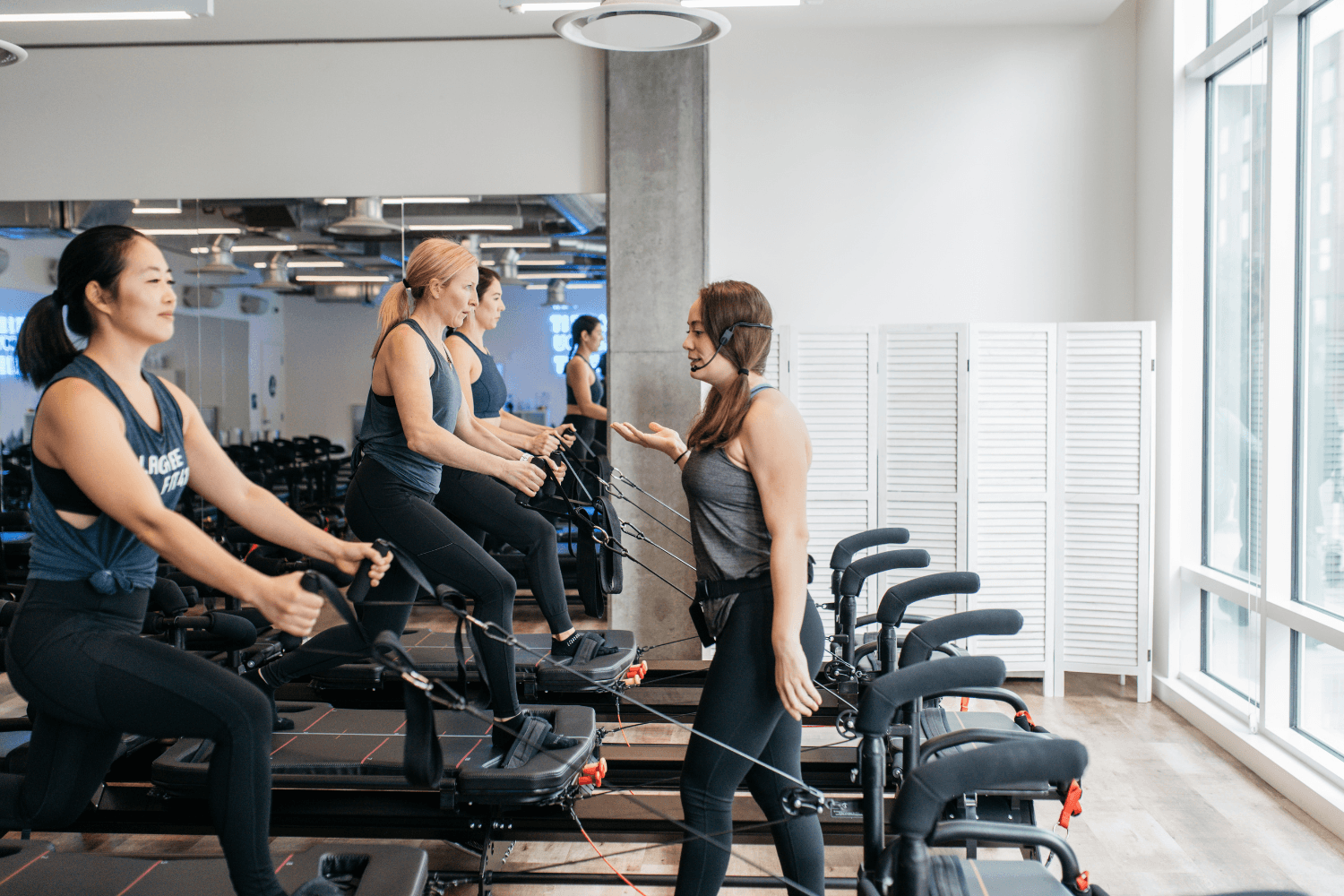
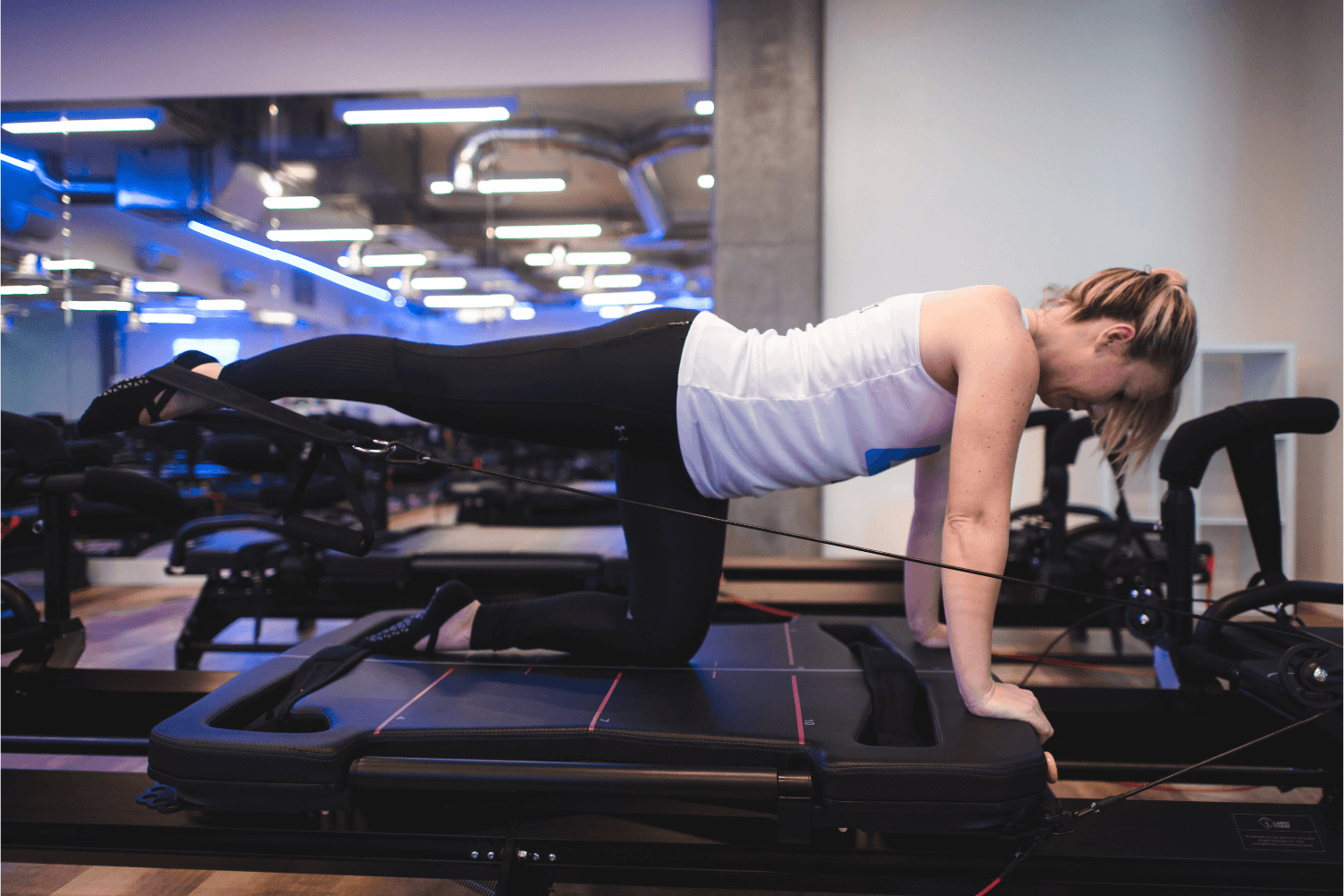
Lagree isn’t like traditional lifting or HIIT. It uses slow, controlled, ultra-precise movements on a Megaformer, targeting both slow-twitch and fast-twitch muscle fibers. The time-under-tension model means your muscles stay engaged longer, which creates that deep burn (and yes, the post-class “why do my legs feel like Jell-O” sensation).
This method triggers that same post-workout swelling, but it also builds lean, elongated muscle over time. You’re not pounding your body with high-impact reps or loading up with heavy weights. You’re working smarter, not harder.
It’s no new revelation, but remember, consistency is key. Over weeks and months, you’ll see:
- Slimmer thighs with more definition
- Tighter inner and outer thigh muscles
- Lifted glutes and stronger hamstrings (hello, back-of-thigh tone)
- Better posture and alignment, which enhances overall leg appearance
So no, your thighs won’t keep getting bigger every time you work out. They’re transforming into something stronger, leaner, and more sculpted—with that signature Lagree burn to prove it.
What to Expect Right After Your Lagree Session: The Temporary Thigh “Pump” Explained
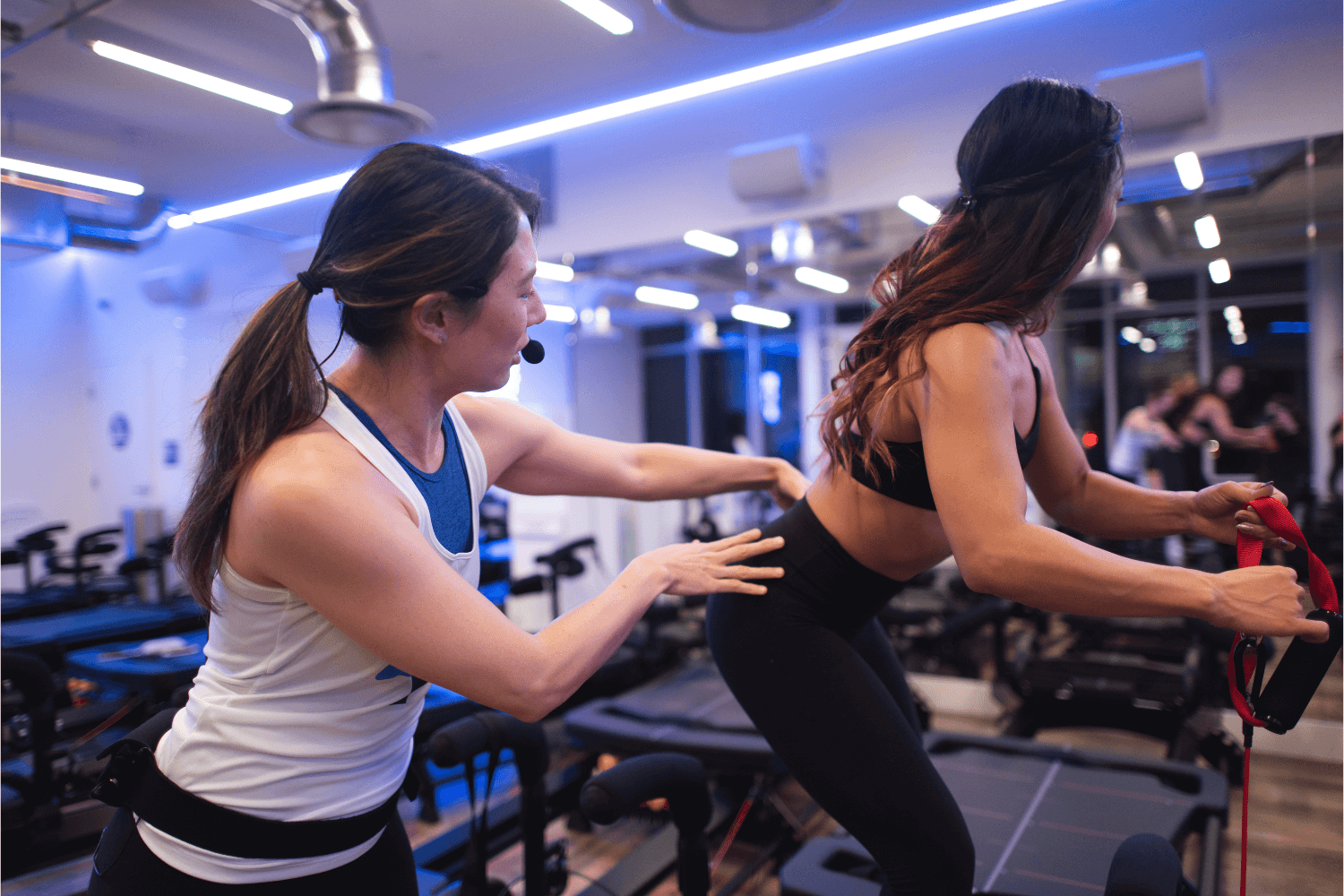
So you just finished a Lagree class. Your thighs feel like balloons and your leggings are a little snug. Totally normal. What you’re feeling is that temporary muscle pump in full effect.
It might include:
- A tight or swollen sensation in your thighs
- Increased warmth in the muscles
- Mild soreness setting in a few hours later (aka DOMS—Delayed Onset Muscle Soreness)
Here’s how to manage that post-class pump and feel better faster:
- Hydrate like it’s your job. Water helps flush out the extra fluid and supports recovery.
- Gentle stretching post-class helps ease inflammation and prevent stiffness.
- Magnesium soaks or foam rolling can speed up muscle recovery and reduce swelling.
- Don’t panic and weigh yourself right after class. That number might be higher due to water retention and inflammation, not fat gain.
If you ever experience sharp pain, excessive swelling that doesn’t go down after a few days, or major bruising—then it’s time to check in with a pro. But otherwise? You’re good. Your body is doing what it’s supposed to.
Keep Your Thighs Looking Their Best: Simple Tips to Support Muscle Health and Appearance
Want to keep that strong-but-slim vibe going? Support your workouts with habits that help your muscles recover and look their best.
Here’s how to optimize your thigh transformation:
- Hydration is key. It’s worth repeating, especially as the temperature rises outside. Aim for half your body weight in ounces of water daily. It helps reduce bloating, aids muscle repair, and flushes toxins.
- Fuel your workouts. Don’t skip meals or undereat—your muscles need protein and carbs to rebuild lean tissue.
- Stretch often. Especially post-workout and on off days. Think hip openers, hamstring stretches, and foam rolling to keep things long and limber.
- Get your steps in. Light movement on rest days helps reduce water retention and keeps circulation moving.
- Trust the process. Bodies aren’t built overnight. That day-2 thigh swell isn’t your forever shape—it’s just a pit stop on the way to achieving that desired toned look.
And finally—ditch the scale obsession. Your thighs can shrink in inches even if your weight stays the same (muscle weighs more than fat!). Focus on how your clothes fit, how strong you feel, and how your body is evolving over time.
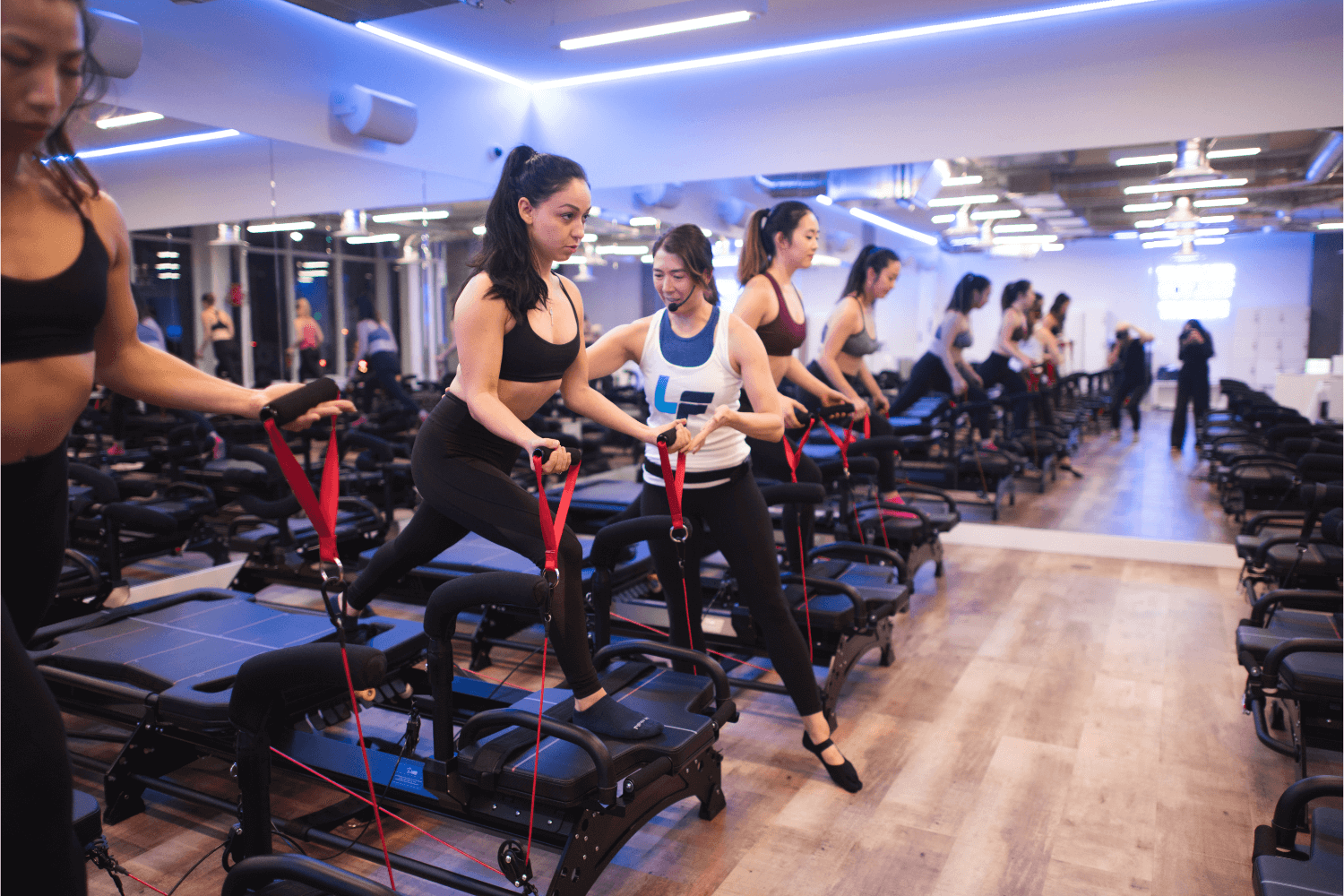
That Thigh Swell? It’s a Sign of Progress, Not a Problem
So next time you leave Lagree and your thighs feel a little bigger than when you walked in—celebrate it. That’s your body doing the beautiful, hard work of transformation.
Muscle swelling after exercise is temporary, normal, and honestly, kind of magical when you understand what it means. The temporary muscle pump is a sign that your legs are engaged, active, and adapting.
Ignore the noise from outdated fitness myths about muscle size, and don’t let the mirror mess with your mindset. Your legs aren’t growing out of control—they’re getting stronger, sleeker, and more sculpted with every slow, shaking lunge.
Lagree isn’t about bulking up. It’s about building a body that’s balanced, powerful, and undeniably yours. So own that post-workout pump, drink your water, and keep showing up for yourself on the Megaformer.
Your thighs—and your future self—will thank you. Schedule your next class with us today!