The days of only lifting heavy or pounding the pavement are fading. More active, athletic men are turning to Lagree to push their fitness further, without sacrificing their joints. If you’re 25–55, already active, maybe a little skeptical about Pilates for men, and tired of nagging aches or plateaus, read on. This isn’t about swapping barbells for fluff. It’s about upgrading your workout with a strength training alternative that actually makes you better at everything else you do.

Not Just for Beginners: Why Fit Guys Are Rethinking Their Routine
You’ve bench-pressed, you’ve run mile repeats, you’ve probably chased a PR. But muscle imbalances, tight hips, and chronic injuries are everywhere. And unfortunately, they don’t care how impressive your one-rep max is. The old metric of “how much can I move” is getting replaced with “how well can I move, repeatedly, for the long haul.”
That’s where Lagree comes in. For men who want sustainable strength and performance, traditional programs sometimes miss the mark. Heavy loads and fast, explosive work are awesome for power and mass, but they often rely on momentum and offload stabilizers. Lagree flips that script: it forces deep muscle fatigue with controlled, slow reps and continuous resistance. You’re not ego-lifting; you’re grinding out quality time under tension (TUT). The payoff? Strength that actually transfers. We’re talking less pain, fewer setbacks, and better movement patterns that keep you in the game.
What Is Lagree—and Why It’s Not “Just Pilates”
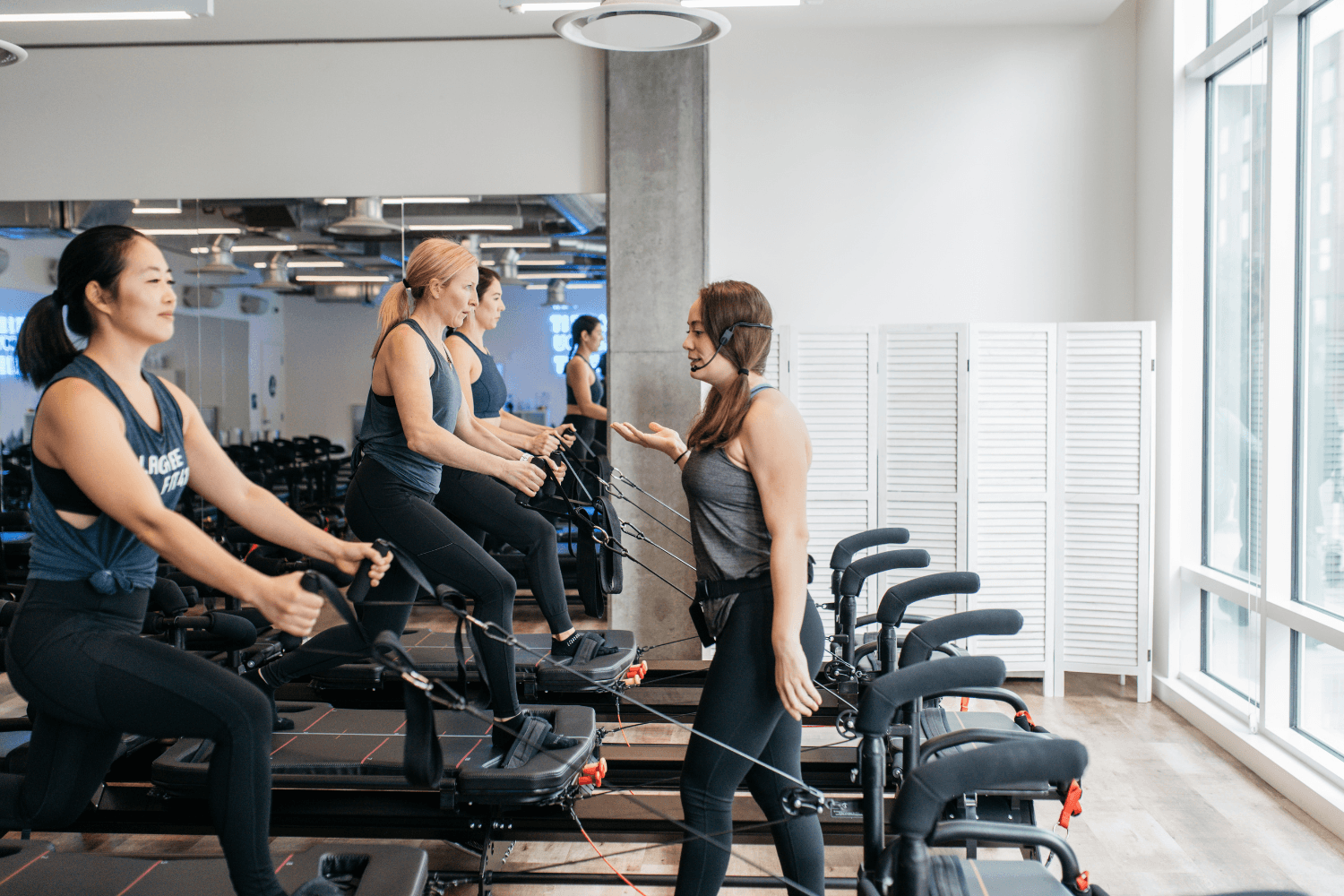
Yes, Lagree grew from Pilates roots, but calling it “just Pilates” misses the point. Think Pilates principles on performance steroids. The secret sauce is spring-based resistance on the Megaformer (the machine you’ll see in class). Unlike free weights, the Megaformer eliminates momentum and forces constant muscular engagement. Every inch of motion is resisted, every stabilizer is demanded, and the rep tempo is intentionally super slow.
Key differences:
- Spring resistance instead of gravity-only loads.
- Microsecond control: no bouncing, no cheating.
- Small, precise ranges that generate enormous metabolic and neuromuscular stress. Result? Core stability, total-body tension, and endurance gains that are rare to find in traditional lifting. It’s a low-impact strength training alternative that still absolutely fries your muscles.
Lagree vs. Traditional Lifting or HIIT: What’s the Difference?
If you like lifting heavy and sprinting hard, great—Lagree isn’t trying to replace that. It’s designed to complement it, or to be your primary method if you want less joint stress with comparable strength and conditioning benefits.
Here’s how Lagree for guys stacks up:
- Joint stress: Traditional heavy lifting and high-impact HIIT can load joints and connective tissue with big forces. Lagree’s springs create resistance without the same compressive loads—less pounding, more sustainability.
- Muscle engagement: Constant time under tension builds deeper recruitment of stabilizers and slow-twitch endurance fibers. That matters for posture, injury prevention, and longevity.
- Technique over ego: The machine forces you to prioritize control and form. Bad movement patterns get exposed fast.
- Recovery-friendly: Because impact is reduced and movements are controlled, recovery times can shorten, even when the workout is brutal.
For athletes rehabbing injuries or graphic designers who sit all day, Lagree is a practical strength training alternative that builds usable, resilient strength.

The Unexpected Benefits Men See from Lagree
Men who add Lagree to their routine often report benefits they didn’t expect—stuff that actually improves gym performance and daily life.
- Increased core control and spinal alignment: Because every exercise emphasizes total-body tension, your core becomes the pipeline for power rather than the weak link that leaks force.
- More resilient joints and balanced muscle development: Lagree corrects the asymmetries that heavy unilateral pressing or running can create.
- Stronger in compound lifts and endurance sports: People show up stronger on deadlifts, with better squatting mechanics, and more efficient running form because their stabilizers and breathing patterns have improved.
- Mentally tougher: You can’t cheat the clock on a 60–90 second microsequence of constant tension. The mental grit you build translates to heavier lifts and longer runs.
- Faster recovery and less inflammation: The low-impact nature and the focus on movement quality reduce wear-and-tear and promote better mobility and circulation post-workout.
That’s not fluff. That’s real-world carryover: fewer injuries, better numbers, and more days training at a high level.
What to Expect in a Lagree Class (and Why You’ll Feel It Fast)
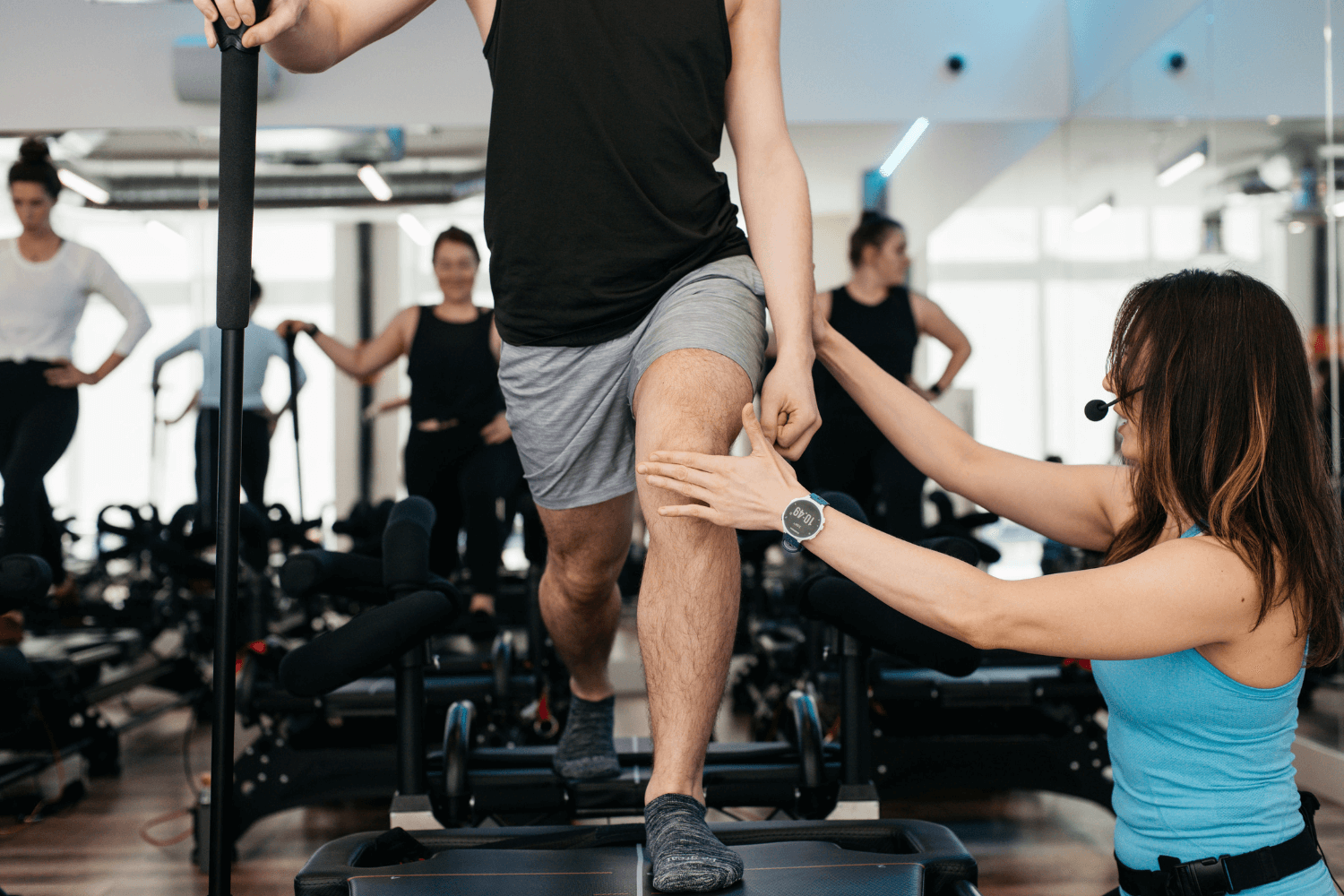
Walk into a Lagree Fit 415 class and expect to be coached every step of the way. The instructors cue alignment, breathing, and micro-adjustments so you hit max output without blowing out joints. Here’s the typical flow and what it means for your body:
- Warm-up with dynamic mobilizations that prime the hips, thoracic spine, and shoulders
- Strength microsequences: 30–90 seconds of controlled reps—think plank variations, loaded lunges, and oblique burners—all executed with slow tempo and spring resistance
- Transition to metabolic sets: circuits that keep you in constant movement, increasing heart rate while still demanding micro-control
- Cooldown focused on mobility and breathing to expedite recovery
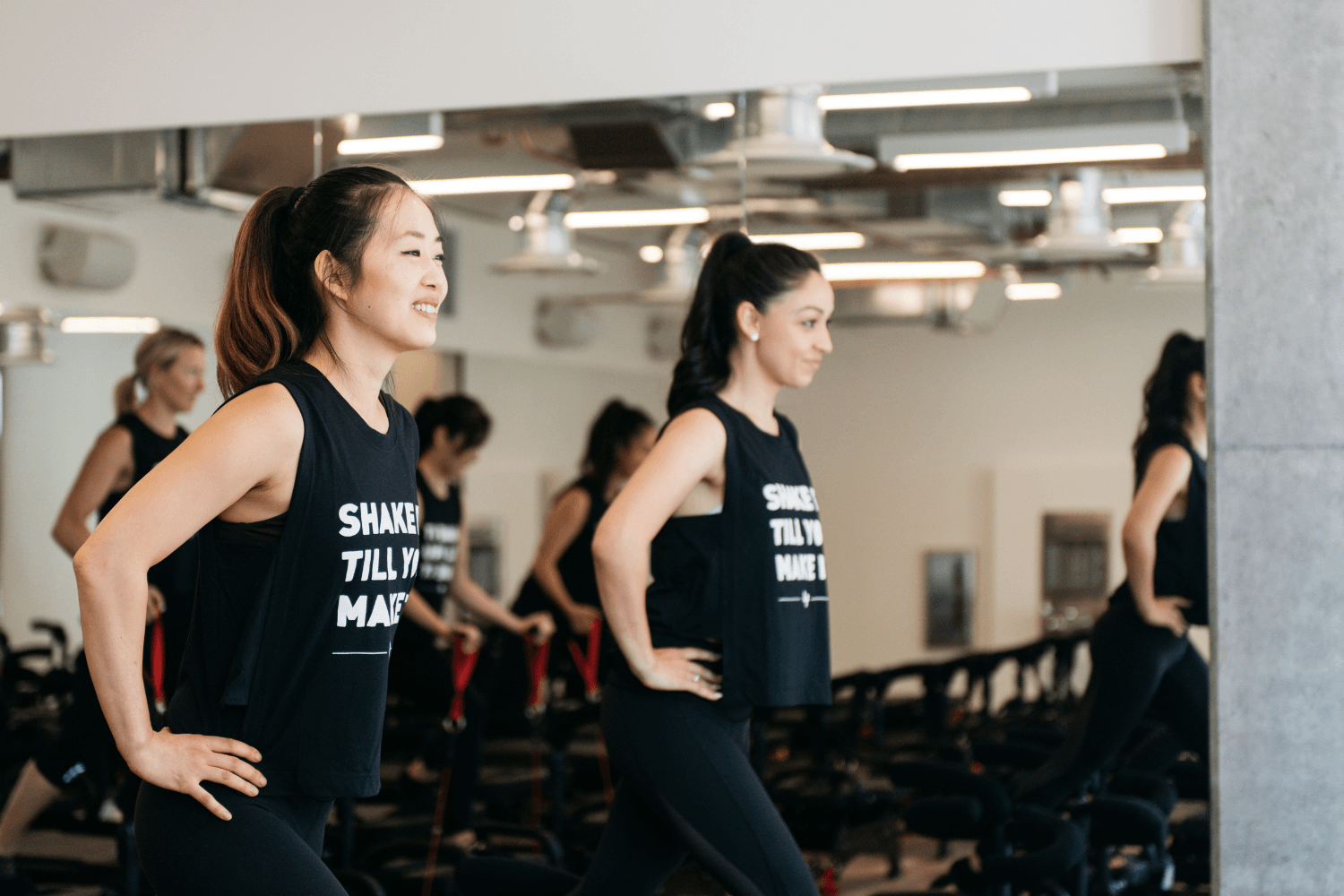
You’ll feel the “Lagree shake” (that tremor as stabilizers and small muscle fibers fatigue) early and often. That shake means recruitment of muscles you didn’t even realize were responsible for your movement. And yes, you’ll notice posture improvements and endurance gains fast, usually within a few classes. Why? Because functional strength responds quickly when you train it the right way.
Still Skeptical? Here’s Why It Works So Well
If you think Lagree is just slow Pilates, think again. It’s closer to microscopic lifting for your stabilizers and end-range control. Instead of loading a big lift and letting bigger muscles dominate, Lagree forces small, stubborn muscles to take responsibility.
Why that matters:
- You’ll train muscles you didn’t know were weak. Those little stabilizers are the difference between a pain-free squat and a twinge after a heavy day.
- The constant resistance without momentum trains the nervous system for stability under load—translating to better bar path, cleaner technique, and fewer compensations.
- It’s a perfect complement to running, cycling, lifting, or HIIT because it targets endurance, stability, and alignment—areas most programs neglect.
And let’s be honest: it’s not easy. The workouts are deceptively brutal. That’s the point. You work under continuous tension with tiny, precise movements and leave tougher, not just more tired.

How Lagree Helps Injury Recovery and Prevention
A big reason men gravitate toward Lagree is rehab. If you’ve battled recurring knee pain or a cranky lower back, Lagree’s controlled resistance gives you a way to rebuild strength without re-irritating tissues. Instructors can scale spring tension and modify ranges, allowing you to:
- Reinforce proper movement patterns safely.
- Rebuild eccentric control and tendon capacity with lower mechanical stress.
- Improve hip mobility and pelvic stability (two big players in lower back and knee issues.)
Because the classes emphasize technique and progressive overload without impact, Lagree for guys is a practical tool for rehabbing, coming back to training, or trying to prolong athletic life.
Programming: Where Lagree Fits in Your Training Week
If you lift heavy twice a week and run a couple times, here’s how to integrate Lagree:
- As a primary strength day: Replace one hypertrophy session with Lagree to develop endurance and joint resiliency.
- As a recovery/skill day: Use it the day after heavy lifting to flush soreness and work movement quality.
- As cross-training: Add a couple Lagree sessions during base-building for runners or cyclists to build muscular balance.
- For rehab: Start with low-resistance, high-control sessions to rebuild capacity.
The exact slot depends on goals, but the rule of thumb is this: Lagree pairs beautifully with other modalities because it fixes the movement and stability gaps they leave behind.
Real Results: What Men Notice After a Month
After a month of consistent Lagree classes, many men report:
- Better squat depth and cleaner bar path.
- Reduced knee and lower back flare-ups.
- Noticeable core endurance—planks feel easier and hold longer.
- Faster breathing recovery after sprints or heavy sets.
- Better posture at work—less rounding, more confidence at the keyboard.
These are the kinds of wins that compound: less pain leads to more consistent training, which leads to better performance, and so on.

Ready for the Upgrade?
If your goal is to stay strong, athletic, and injury-free long term, Lagree delivers. It’s the smart strength training alternative you didn’t know you needed—serious, evidence-backed movement that builds resilience, not just bulk. Lagree for guys isn’t about softening; it’s about getting stronger in the ways that matter: control, endurance, and movement quality.
Want to feel it for yourself? Book a class at Lagree Fit 415 and see why men are making the switch. Whether you’re curious about pilates for men, want to try Lagree for guys, or need a better strength training alternative that actually improves your lifting and running. So come in and try a class. We’ll show you how to work smarter, not just harder.
Lagree Fit 415 blends science-driven coaching with no-nonsense workouts. Bring your grit, leave the ego at the door, and get ready to build strength that actually sticks. Book your first class today and start moving better tomorrow.