Sore? Tight? Reaching for the foam roller or massage gun again?
While tools like foam rollers and massage guns can offer temporary relief, they don’t rebuild strength, improve mobility, or correct the movement patterns that caused your tightness in the first place. They soothe symptoms—but they don’t solve the problem.
That’s where Lagree comes in.
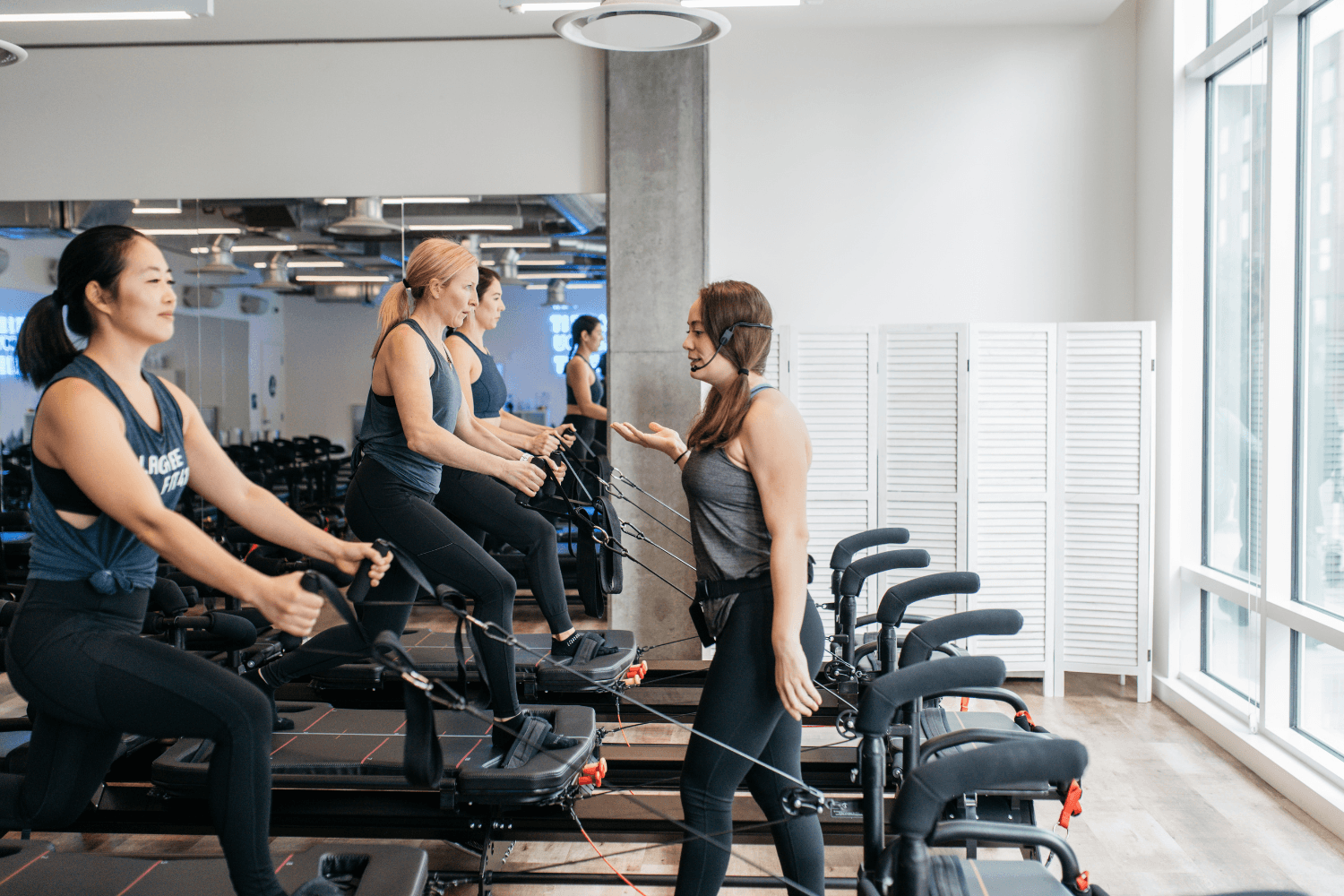
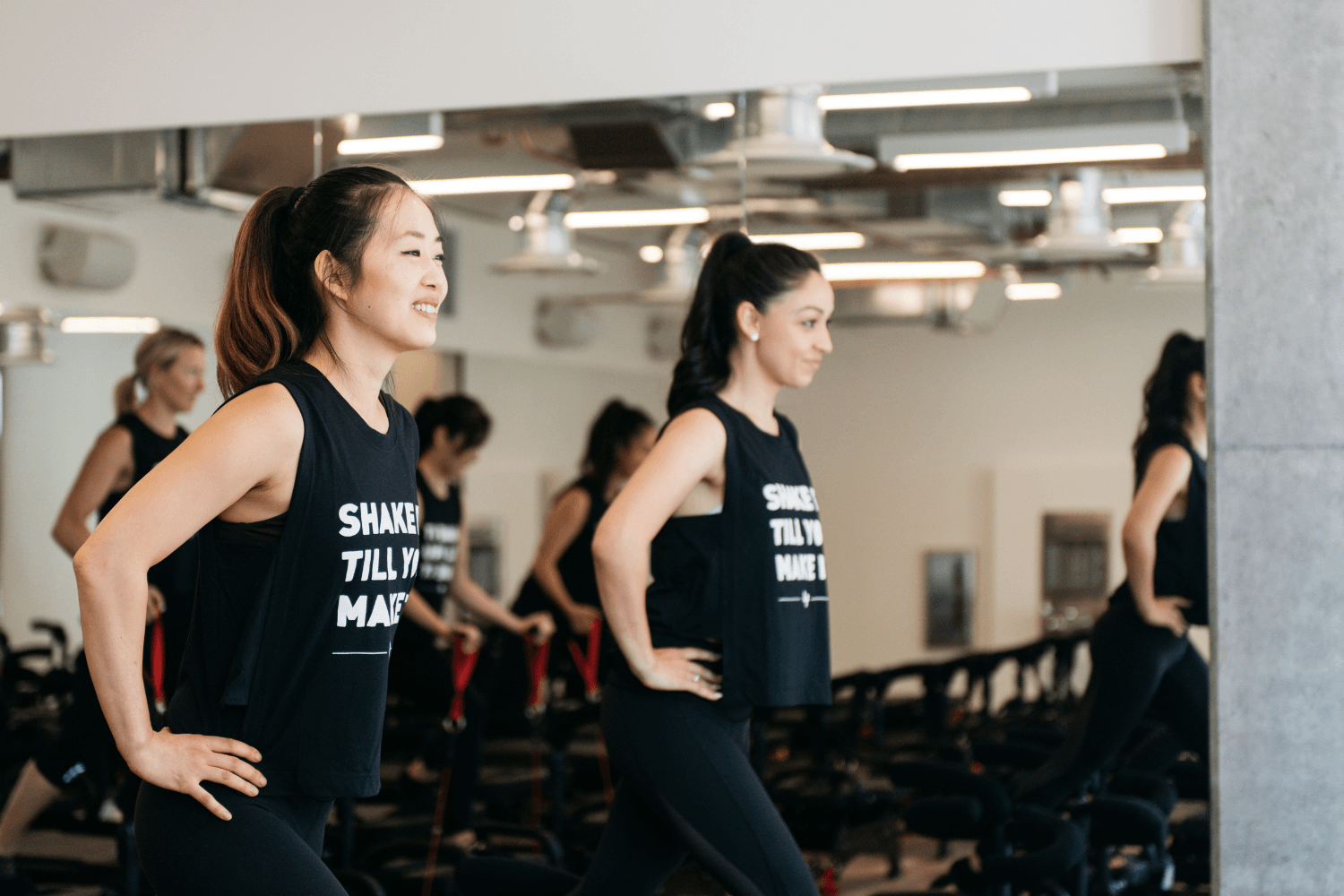
Lagree is a low-impact, high-control training method that delivers real recovery while still challenging the body. Instead of passive relief, Lagree uses intentional movement to restore balance, improve circulation, and strengthen muscles through a full range of motion.
In this article, we’ll break down why Lagree is one of the most effective active recovery workouts available—and why it may be time to rethink your reliance on foam rolling alone.

Recovery Isn’t Just Rest—It’s Movement That Heals
True recovery isn’t about doing nothing. It’s about giving your body what it actually needs to repair and adapt.
Effective recovery requires:
- Increased blood flow
- Restored joint mobility
- Muscular rebalancing
- Nervous system regulation
Foam rolling, massage guns, and static stretching are passive recovery tools. They don’t require muscular engagement, coordination, or control. While they may temporarily reduce soreness, they don’t teach your body how to move better afterward.
This is the core issue in the foam rolling vs exercise debate: tools treat tight tissue, but movement retrains the system.
Lagree changes the game by offering slow, supported, intentional movement that promotes healing while reinforcing strength and alignment. Instead of shutting your body down, Lagree teaches it how to recover forward.
What Makes Lagree the Ultimate Active Recovery Workout
Lagree is uniquely positioned as both a strength method and a recovery modality. That’s what makes it so effective for athletes, weekend warriors, and fitness-savvy clients.
- Low-impact: Lagree places minimal stress on joints, making it ideal for sore muscles, fatigued systems, and overworked connective tissue.
- High-control: Slow tempo, continuous tension, and precision movements emphasize control, breath, and range of motion—key elements for recovery.
- Full-body integration: Rather than isolating one sore area, Lagree addresses overused muscles and underactive stabilizers in the same session.
- Restorative yet strengthening: Lagree for recovery allows muscles to lengthen and strengthen simultaneously, improving resilience rather than just relaxing tissue.
Unlike traditional rest days that can leave you stiff and sluggish, Lagree keeps your body engaged while actively supporting repair.

Foam Rollers vs. Massage Guns vs. Lagree: A Comparison
Let’s break down how these recovery methods truly stack up.
Foam Rollers
Pros:
- Surface-level relief
- Improves short-term circulation
Cons:
- Limited targeting
- No movement retraining
- Temporary results
Massage Guns
Pros:
- Fast tension release
- Convenient
Cons:
- Passive stimulation only
- Doesn’t improve mobility or strength
- Can encourage overuse
Lagree
Pros:
- Active, controlled recovery
- Improves strength, mobility, and alignment
- Addresses root causes of tension
Cons:
- Requires class time and instructor guidance
When it comes to foam rolling vs exercise, Lagree stands out as the only option that actively rebuilds the body while supporting recovery. It doesn’t just make you feel better—it helps you move better.
The Lagree Recovery Formula: What to Expect in Class
Recovery-focused Lagree classes feel different from traditional workouts—and that’s intentional.
- Slow tempo + spring resistance: The controlled pace increases time under tension without impact, driving blood flow and encouraging tissue repair.
- Spinal decompression and joint support: Movements are designed to open tight hips, decompress the spine, and stabilize vulnerable joints like knees and shoulders.
- Breath-focused work: Intentional breathing calms the nervous system, shifting the body out of fight-or-flight and into recovery mode.
- Neuromuscular reset: Lagree improves coordination and muscle firing patterns, helping prevent future injuries.
You’ll leave class feeling lighter, looser, and more aligned—not depleted.
Best Lagree Moves for Recovery Days
Some Lagree exercises are especially powerful when used as active recovery workouts:
- Plank to Pike: Stretches the spine while strengthening the core and shoulders.
- Seated Lat Pull: Releases upper-back and shoulder tension while improving posture.
- Skater (light tension): Mobilizes hips and knees while reinforcing joint stability.
- Bungee Kicks: Opens tight hip flexors while activating glutes—critical for runners and desk workers.
- Wheelbarrow: Encourages full-body control with deep upper-body stretching and spinal length.
These movements allow muscles to lengthen under load, which is key for sustainable recovery.

When to Use Lagree as Recovery (Without Overdoing It)
Lagree fits seamlessly into most training programs when used strategically.
- After long runs, heavy lifts, or intense sports sessions
- On active rest days
- During deload weeks
- When soreness lingers but movement feels better than rest
For most athletes, 1–2 recovery-focused Lagree sessions per week support better muscle repair and lowers injury risk.
Pro tip: Tell your instructor you’re in recovery mode so they can guide spring tension, tempo, and modifications accordingly.
Ditch the Tools. Move Smarter. Recover Better.
Your body deserves more than surface-level recovery.
While foam rollers and massage guns have their place, they shouldn’t be your only strategy. Lagree for recovery trains mobility, strength, and control simultaneously—helping you recover faster and perform better long term.
The result?
- Fewer injuries
- Better movement patterns
- Stronger performance that lasts
Turn your rest day into a results day. Book a Lagree Fit 415 class and experience recovery that actually rebuilds your body.