If you’ve ever dealt with sciatica, you know the struggle. That sharp, shooting pain that runs from your lower back down your leg? Brutal. It’s not just the discomfort—it’s the fear. The worry that one wrong move might make things worse.
That fear often leads to doing… nothing. Which (ironically) can make the pain even more stubborn. So, what’s the solution? Is Pilates good for sciatica? What about Lagree? Can these low-impact workouts help you feel better, or do they risk aggravating the nerve?
Let’s dive in. We’ll break down the facts, clear up the myths, and show you how to move safely and confidently—with expert-approved, sciatica-friendly workouts designed to support your spine, not stress it.
First Things First: What Is Sciatica and Why Does It Flare Up?
Sciatica isn’t technically a diagnosis—it’s a symptom. The sciatic nerve is the largest nerve in your body, running from your lower spine through your hips, glutes, and down each leg. When it gets compressed, irritated, or inflamed, you get that classic pain pattern:
- Sharp, shooting pain radiating down one leg
- Tingling or numbness in your butt, thigh, or calf
- Tightness through the hips or lower back
- Weakness or stiffness when you stand or sit too long
The most common culprits? Herniated discs, muscle imbalances, poor posture, and—you guessed it—a sedentary lifestyle.
When you sit for long stretches, your hip flexors tighten and your glutes switch off, creating pressure on the lower back. Combine that with weak core muscles and—boom—your sciatic nerve starts protesting loudly.
Can Exercise Actually Help Sciatica? (Spoiler: Yes!)
Here’s the good news: movement is one of the most effective ways to manage sciatica.
Consistent, gentle, and low-impact exercise can:
- Boost circulation (which reduces inflammation)
- Strengthen the muscles that support your spine
- Improve mobility and posture
- Relieve pressure on the sciatic nerve
The trick? Choosing movements that stabilize rather than strain. Because when it comes to sciatica, form and control are everything.
High-impact workouts or crunch-heavy routines can make things worse. But controlled, mindful movement—like Pilates and Lagree—can make a world of difference.
Pilates and Sciatica: A Promising Combo
If you’ve ever heard of Pilates for sciatica, it’s for good reason. Traditional Pilates focuses on core stability, posture, and flexibility—three pillars of a healthy back.
Here’s why it helps:
- It strengthens your deep core muscles (your body’s natural back brace).
- It improves spinal alignment and awareness.
- It restores muscle balance between the front and back of your body.
By teaching you how to engage your core properly, Pilates can help take pressure off the lower back, easing the tension that irritates the sciatic nerve.
But a heads up: not all Pilates moves are sciatica-friendly. Exercises that involve deep spinal flexion—like traditional sit-ups or “Teasers”—can actually aggravate your symptoms. That’s why modifications matter.
A good instructor will help you find neutral spine alignment, avoid compressive angles, and move safely through each rep.
How Lagree Can Be Sciatica-Friendly (and Why It’s Even Better)
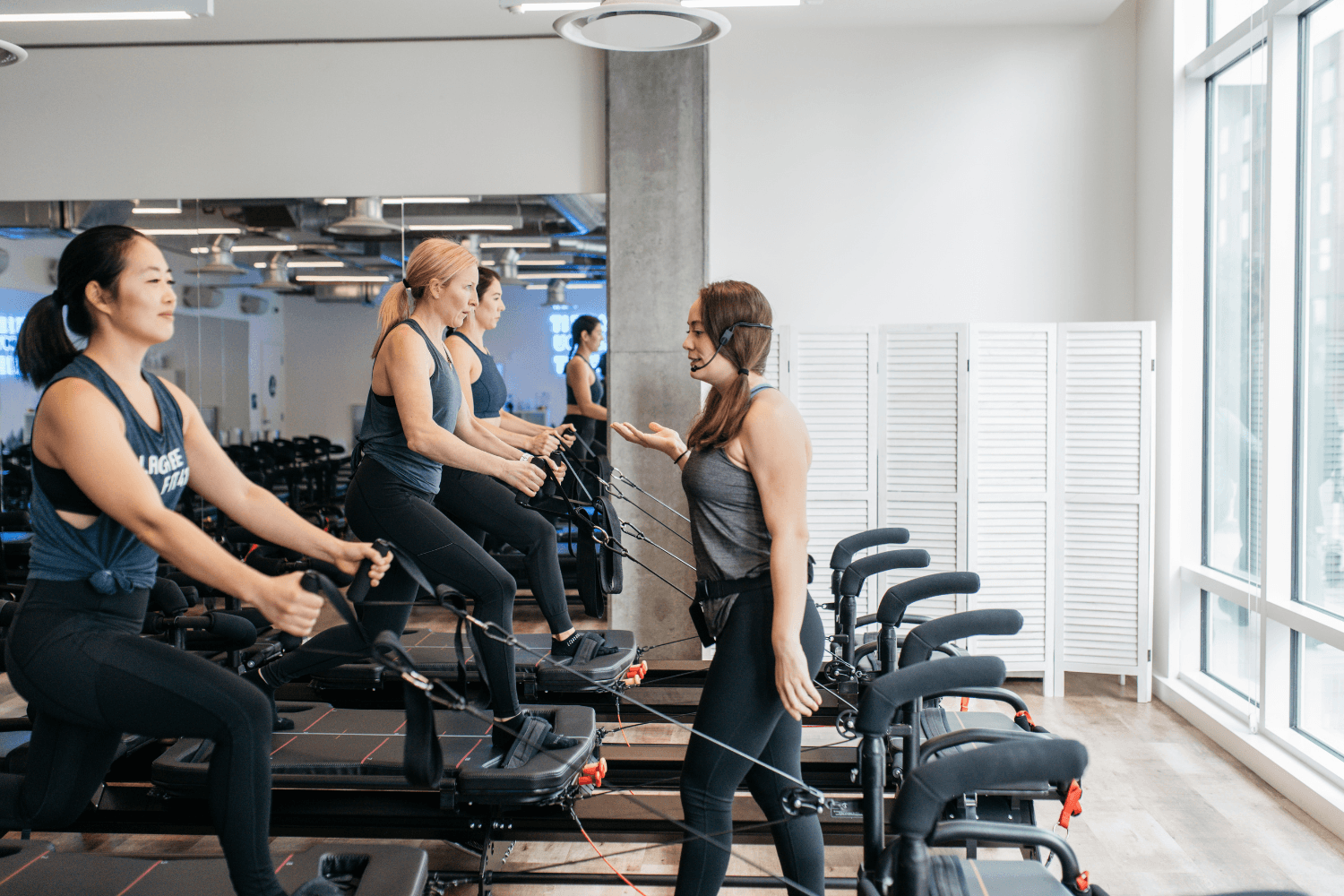
Think of Lagree as Pilates’ stronger, safer cousin. It uses the same alignment principles—but with spring-based resistance, slower pacing, and more muscle engagement.
Lagree’s entire philosophy revolves around control, precision, and posture, which makes it an incredible tool for people managing back pain or nerve irritation.
Here’s how Lagree supports your back:
- Slow, controlled movement: No jerking, bouncing, or impact. Every move is intentional.
- Neutral spine focus: You’ll strengthen the deep core muscles without flexing or compressing the spine.
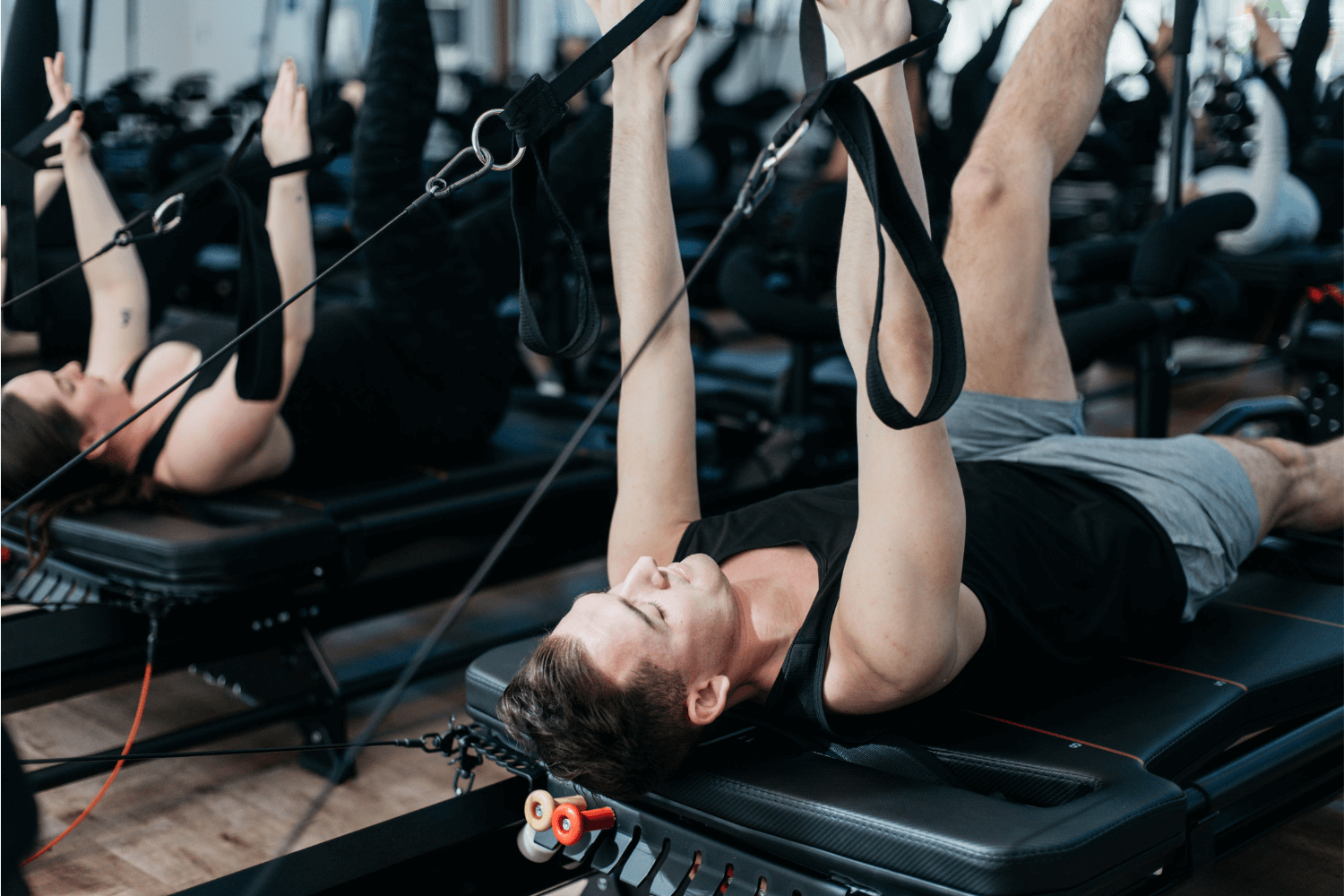
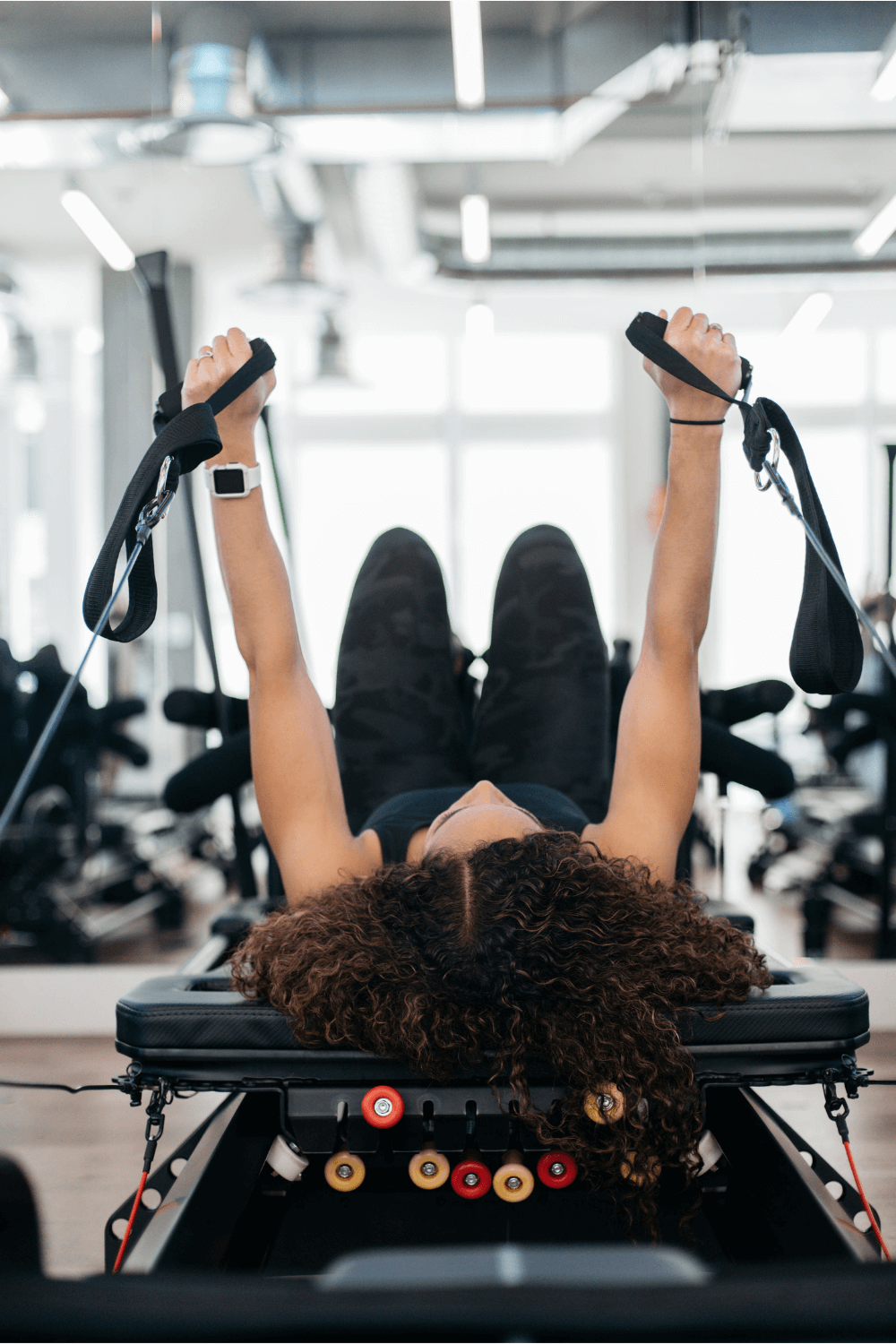
- Spring resistance: The Megaformer’s springs provide tension without pressure, keeping the joints and nerves protected.
- Total-body engagement: By building balance and stability from head to toe, Lagree reduces the strain on your lower back.
Simply put, Lagree and back pain relief go hand in hand. It’s strength training that feels safe—challenging your muscles without aggravating your sciatica.
Top Lagree Exercises to Try (and What to Avoid)
Before we dive in: always check with your doctor or physical therapist before starting a new routine, especially if you’re dealing with active nerve pain. That said, many Lagree moves can be safely modified for a sciatica-friendly workout that keeps you moving—and healing.
Safe for Sciatica (when modified with care):
1. Wheelbarrow (Neutral Spine): This move fires up your core, lats, and shoulders—all while reinforcing spinal stability. Keep your spine long, your core gently engaged, and your hips aligned.
2. Bear (Slow + Low): Bear is a Lagree staple for deep core activation. Move slowly and avoid rounding your back. You’ll strengthen your abs and spinal stabilizers without compression.
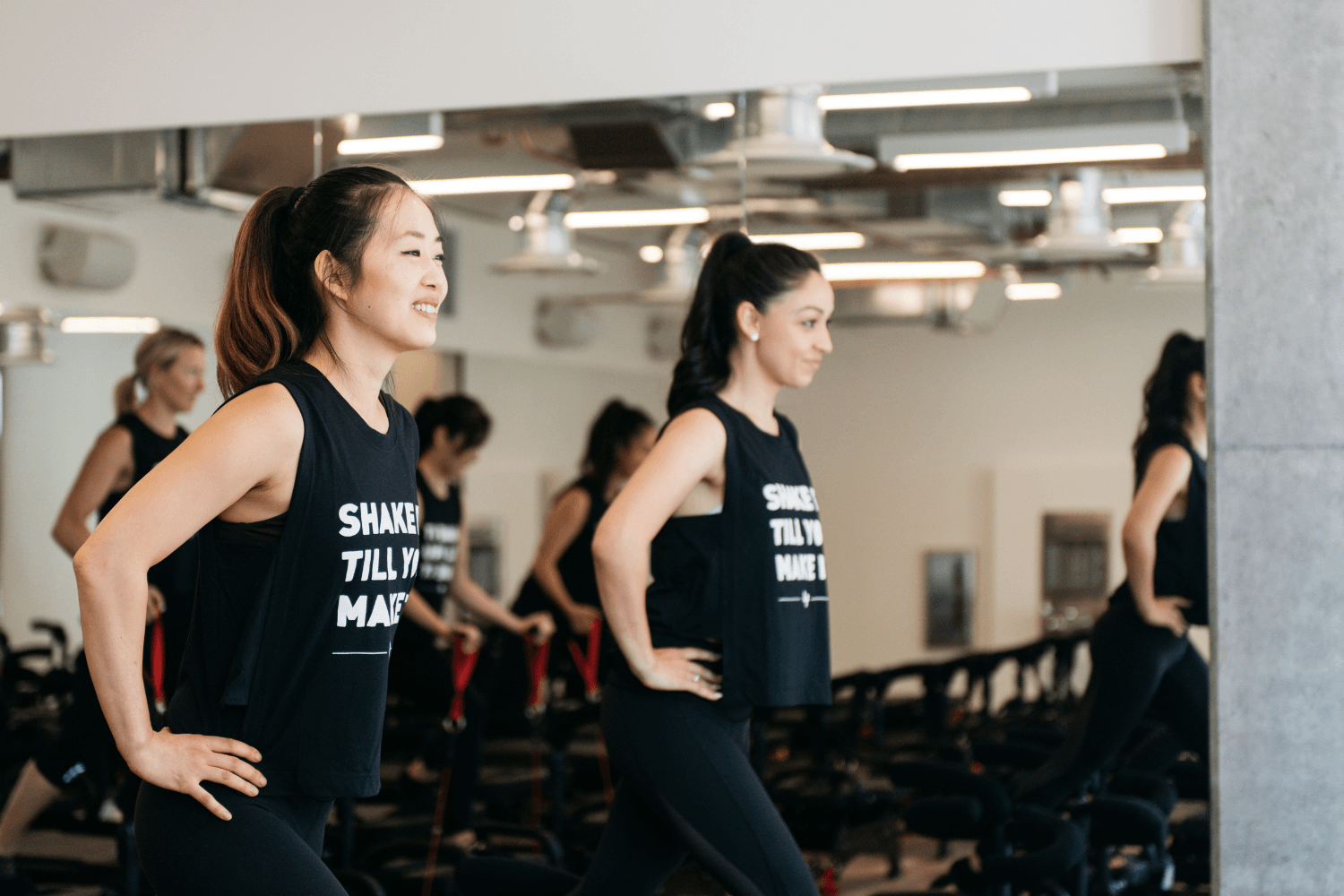
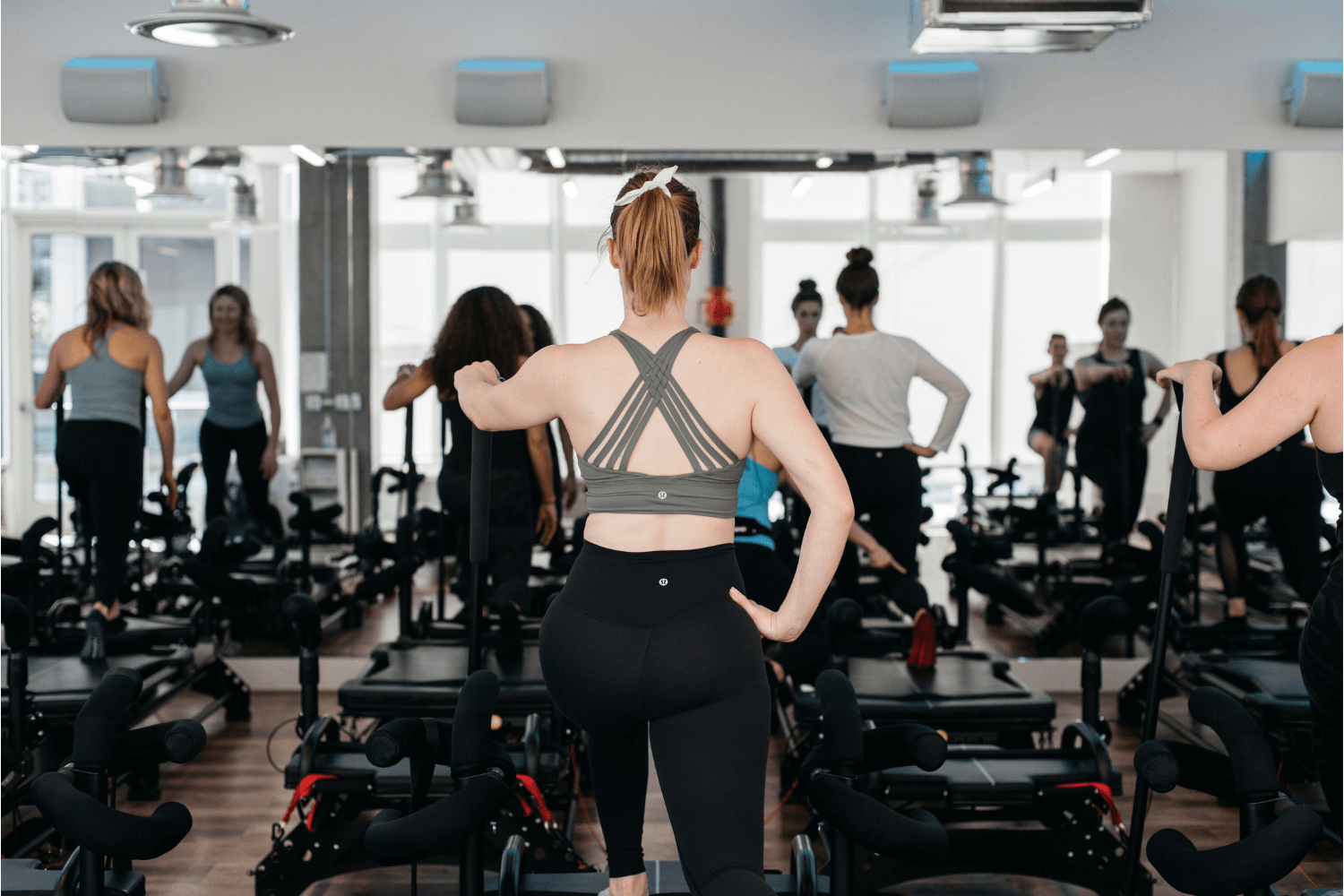
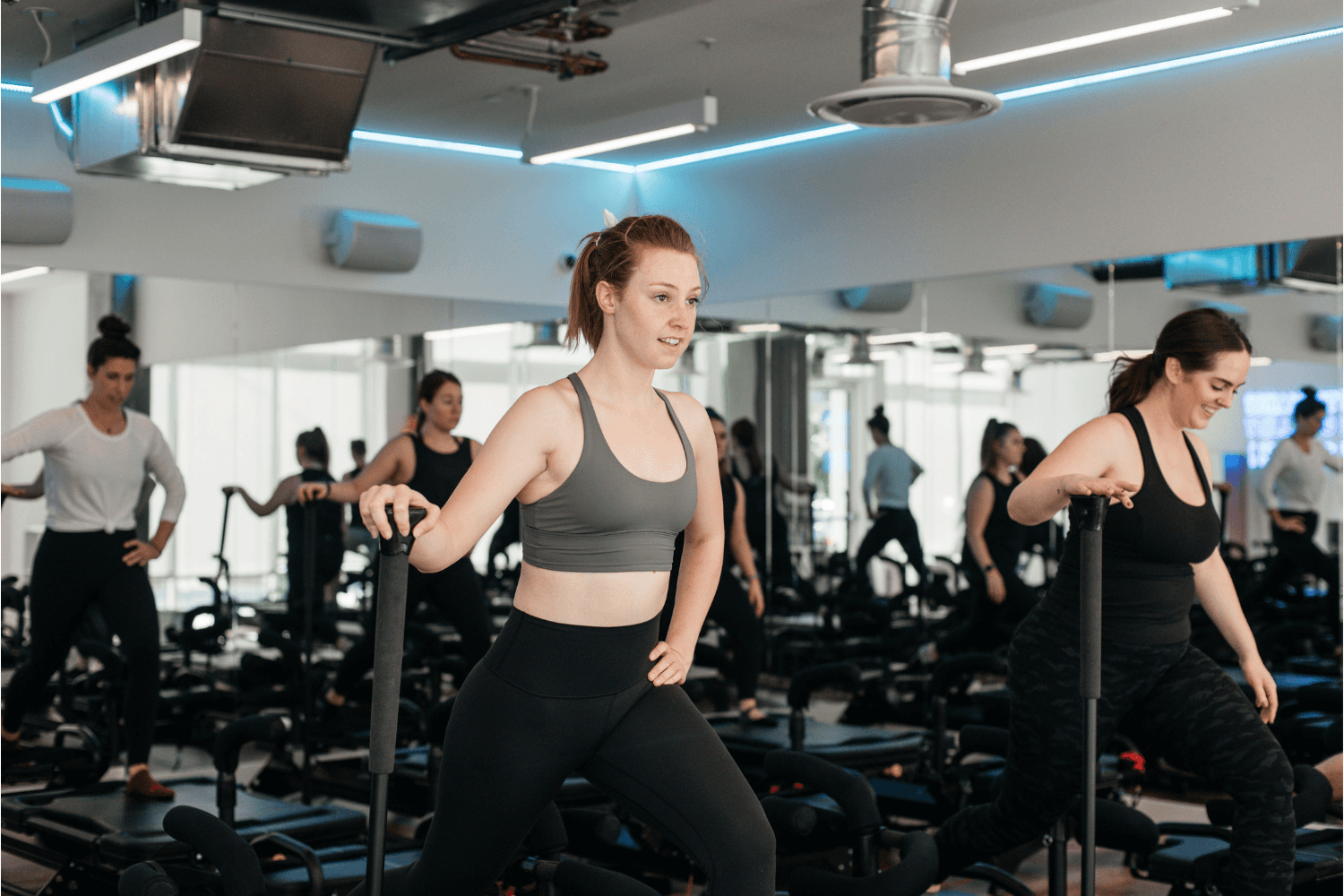
3. Standing Lunge (with Handles): Lunges are fantastic for strengthening the glutes, quads, and hamstrings—key muscles for sciatica relief. Use handles or support for balance and keep your torso upright.
4. Skater (Gentle + Controlled): The Skater move strengthens the hips and outer glutes, improving pelvic stability and reducing strain on the lower back. Think gliding—not jumping.
Moves to Approach with Caution:
Some Lagree or Pilates exercises involve deep spinal rounding or twisting, which can irritate the sciatic nerve. Proceed carefully—or skip them altogether if they trigger discomfort.
- Forward flexion (like Teaser, Crunch, or deep Roll-Up)
- Deep twisting moves (which can stress the lower back and nerve root)
If you’re unsure, ask your Lagree instructor for modifications. Every body—and every sciatica case—is different. The key is finding movements that feel supportive, not painful.
Real Talk: Listen to Your Body + Modify Everything
Here’s the truth: what works for one person with sciatica might not work for another. And that’s totally okay.
Some people find relief after a few gentle sessions; others need to ease in more slowly. The goal isn’t to “push through” pain—it’s to retrain your body to move safely again.
Pay attention to these red flags:
- Sharp or shooting pain
- Tingling or numbness
- Loss of strength or control
If any of those show up, stop and rest. Progress in sciatica recovery comes from consistency, not intensity.
At Lagree Fit 415, our instructors specialize in form, alignment, and safe modifications. You’ll get hands-on guidance to help you strengthen your body without triggering flare-ups.
Beyond the Workout: Daily Tips to Support Sciatica Recovery
Healing sciatica isn’t just about what happens in the studio—it’s about how you move (and live) every day. A few small tweaks to your routine can make a big difference:
1. Move a little, every day: Sitting too long tightens your hips and glutes, compressing the sciatic nerve. Gentle movement—like walking or stretching—keeps blood flowing.
2. Stretch the right muscles: Focus on your hip flexors, hamstrings, and piriformis (the small muscle near your glutes). These areas often trap tension that worsens nerve pain.
3. Hydrate + eat anti-inflammatory foods: Omega-3s, leafy greens, and turmeric can help reduce inflammation. Bonus: hydration supports disc health in your spine.
4. Check your posture: Whether you’re working at a desk or sleeping, posture matters. Support your lower back with a small cushion and avoid sitting cross-legged for long stretches.
5. Breathe intentionally: Breathwork helps calm your nervous system, which can decrease pain sensitivity and tension. Lagree’s focus on breath control helps with this naturally.
Final Thoughts: Sciatica Doesn’t Have to Sideline You
Here’s the takeaway: you don’t have to live in fear of movement. With the right guidance and sciatica-friendly workouts, you can strengthen your body, reduce pain, and move with confidence again.
Pilates for sciatica offers the foundation—core control, posture, and alignment. But Lagree takes it up a notch with even more precision, resistance control, and joint-friendly strength training.
The result? You’ll build strength where you need it most, move better in your everyday life, and feel genuinely supported.
If you’re ready to start healing and strengthening your body safely, come move with us.
Book your class at Lagree Fit 415 today, and explore movement that supports your body—not stresses it. Your back will thank you.