Ballet isn’t just an art. While it’s not your stereotypical sport, it’s an athletic pursuit at the highest level. Behind every graceful développé or effortless arabesque is elite-level strength, control, balance, and endurance.
To keep up with the demands of training and performance, dancers need more than just hours at the barre. They need cross-training for dancers that builds the right kind of strength while protecting their bodies from injury.
This is where many dancers (and their parents or coaches) start exploring options like yoga, Pilates, or Lagree. Each has benefits, but when it comes to improving performance on stage, only one checks every box. Can you guess which one?
Let’s break down what ballet dancers truly need from cross-training, how Lagree for ballet dancers supports those goals, and why Lagree vs. yoga for dancers is a game-changer conversation.

What Ballet Dancers Actually Need from Cross-Training
Cross-training for dancers isn’t optional—it’s essential. Ballet dancers push their bodies through repetitive, demanding movements, and without supplemental training, the risk of burnout or injury skyrockets. But not just any workout will do.
Here are the pillars of effective flexibility and strength training for dancers:
- Core strength for control in movement: The foundation of every pirouette, jump, and extension. Without strong, stable core muscles, dancers struggle with balance and precision.
- Flexibility without overstretching: Ballet requires incredible mobility, but excessive stretching without strength leads to instability and injury.
- Balance and stability in dynamic movement: True balance isn’t static—it’s the ability to control your body in motion.
- Injury prevention through strength and joint support: Weak stabilizers and imbalanced strength are leading causes of dance injuries.
- Endurance and body awareness: Dancers perform for extended periods; their training needs to build stamina and sharpen proprioception.
The challenge? Most traditional workouts don’t deliver on all five. Yoga builds flexibility and awareness but can lack resistance-based strength. Pilates is excellent for the core, but doesn’t always provide the same cardiovascular challenge.
Lagree, on the other hand, brings every one of these pillars together.
Why Lagree Is a Game-Changer for Ballet Dancers
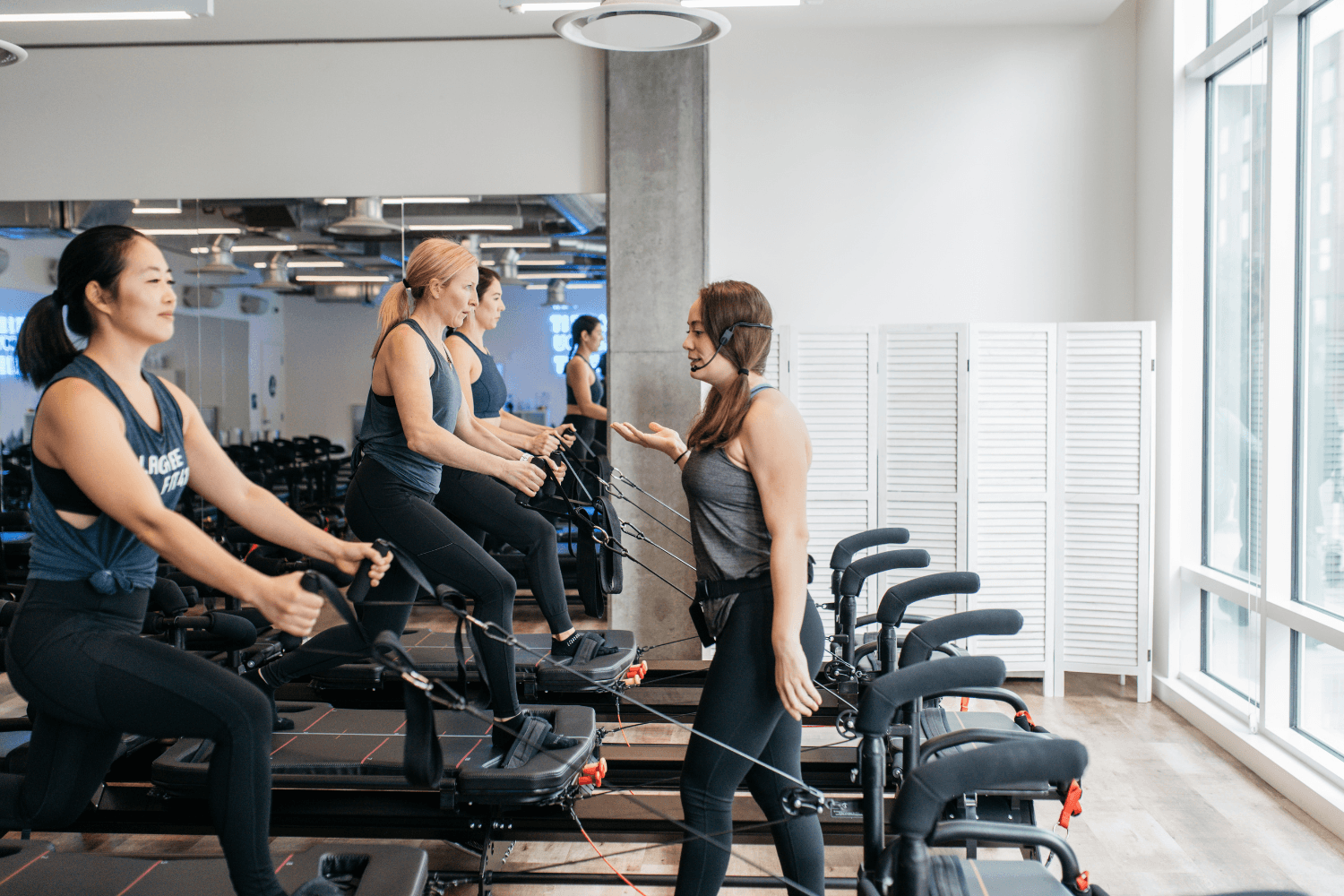
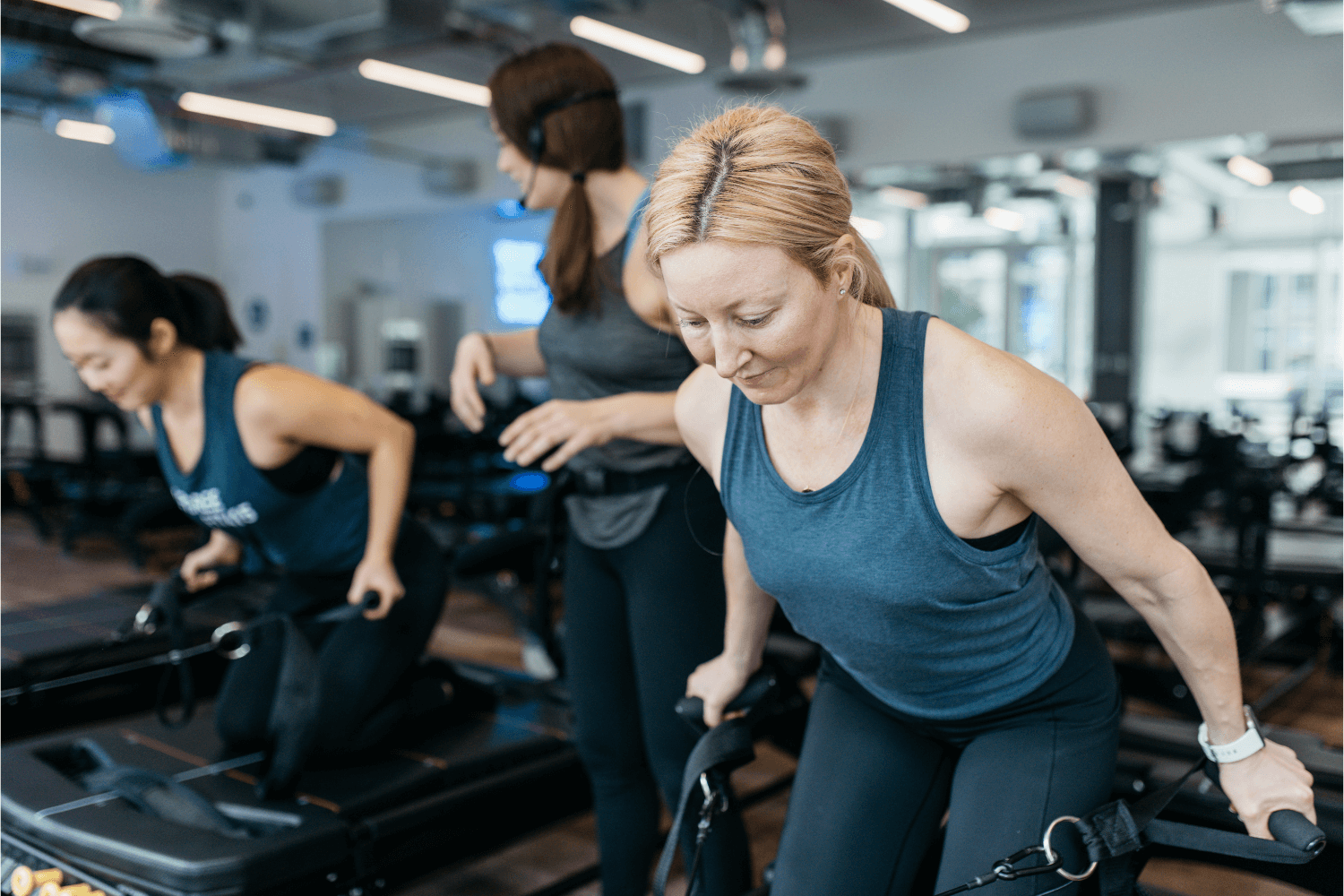
What makes Lagree for ballet dancers so powerful is its precision and efficiency. Every movement on the Megaformer is slow, controlled, and resistance-based. That means dancers aren’t just moving through shapes—they’re training the exact qualities ballet requires.
- Controlled movement (like adagio): Lagree emphasizes tempo, keeping muscles under tension for long periods—mirroring the strength needed for sustained, fluid ballet sequences.
- Isometric strength (think arabesques, développés): Holding a position under resistance builds stability, just like a dancer extending the leg in perfect alignment.
- Core engagement on every move: Unlike some workouts where core work is isolated, Lagree demands constant engagement—critical for pirouette stability and safe landings.
- Form and alignment focus: Just like ballet, every Lagree exercise emphasizes posture, spinal alignment, and mindful technique.
- Low impact, high intensity: Lagree pushes muscles to their limits without pounding on joints—a huge advantage for dancers managing rehearsal schedules and injury risk.
In short: Lagree doesn’t just make you stronger—it makes you stronger in the ways that matter most for ballet.
Lagree vs. Yoga for Dancers: Which Delivers More?
When it comes to Lagree vs Yoga for dancers, both methods complement ballet training, but they do it differently. Here’s how they stack up:
- Flexibility and strength training: Yoga is excellent for stretching and mobility, but it often emphasizes flexibility over strength. Lagree balances both by pairing resistance with lengthening movements—helping dancers extend higher and with more control.
- Functional strength: Lagree mimics the controlled, sustained strength of ballet technique. Yoga builds strength, but without added resistance, progress is slower.
- Balance and stability: Both support balance, but Lagree isolates the small stabilizing muscles (like those around the hips and ankles) more efficiently. This is crucial for landing jumps and holding balances on pointe.
- Injury prevention: Overstretching in yoga without equal strengthening can lead to instability. Lagree avoids this by reinforcing the supporting muscles and joints dancers depend on.
So while yoga has undeniable value for recovery and mindfulness, when it comes to the best cross-training for dancers, Lagree simply delivers more of what ballet bodies need.
Flexibility + Strength: Why Dancers Need Both
Here’s the biggest misconception in dance training: that more flexibility is always better. In reality, flexibility without strength is risky. Hyper-mobile joints without muscular support are unstable and prone to injury.
Lagree solves this by creating a controlled range of motion under resistance. For example, a Lagree lunge doesn’t just stretch the hip flexors—it simultaneously strengthens the glutes and quads in that extended position. That means dancers aren’t just flexible; they’re strong within their flexibility.
The result? Higher extensions that look effortless—and the strength to sustain them without wobbling or strain.

Dancers Need More Than Stretching
Let’s be clear: yoga and Pilates have real value for dancers. Yoga helps with recovery, breathwork, and flexibility. Pilates builds foundational core awareness. But neither offers the complete package of strength, balance, endurance, and injury prevention in one session.
Lagree for ballet dancers uniquely gives these dynamic athletes the edge they need: a method that supports artistry with athletic precision. It strengthens the muscles ballet requires most, builds stability, and prevents injury—all without overtaxing joints already stressed by daily rehearsals.
For dancers who want to stand out and stay healthy, Lagree isn’t just another workout. It’s the cross-training secret weapon.
Ready to Level Up? Try a Lagree Class Today
The beauty of Lagree is that it’s beginner-friendly yet endlessly challenging. Whether you’re a pre-professional dancer, a seasoned performer, or a parent looking to give your dancer an edge, Lagree adapts to your needs.
Here’s what to expect at Lagree Fit 415:
- Class length: 40 minutes—efficient, effective, and designed to fit a busy schedule.
- Equipment: The Megaformer—your new best friend for controlled resistance and endless variety.
- Experience: Slow, precise movements that target every muscle, leave you shaking, and deliver results you can see and feel.
It’s not about replacing ballet—it’s about enhancing it. The stronger your core, the better your balance. The more control in your muscles, the more effortless your artistry becomes.
So if you’re ready to invest in flexibility and strength training that truly supports dance, step off the mat and onto the Megaformer.
Your future performances—and your body—will thank you. Come visit us at LagreeFit 415—we love welcoming new friends!