Training for a marathon takes more than sheer mileage. While running strengthens your cardiovascular system, every stride also breaks down muscle, stresses joints, and tests your body’s limits. Without proper balance, that wear and tear can lead to pain, plateaus, or sidelining injuries.
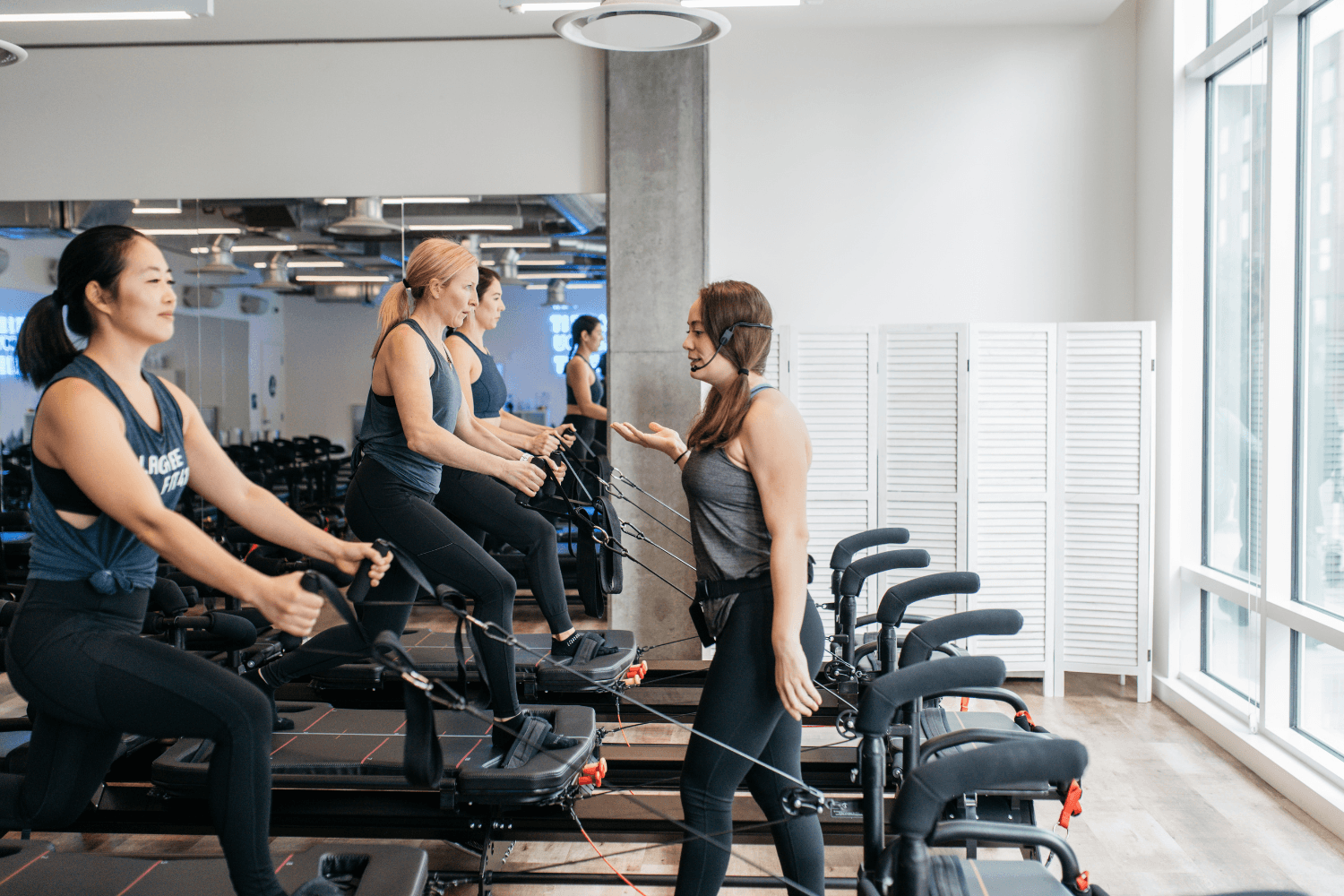
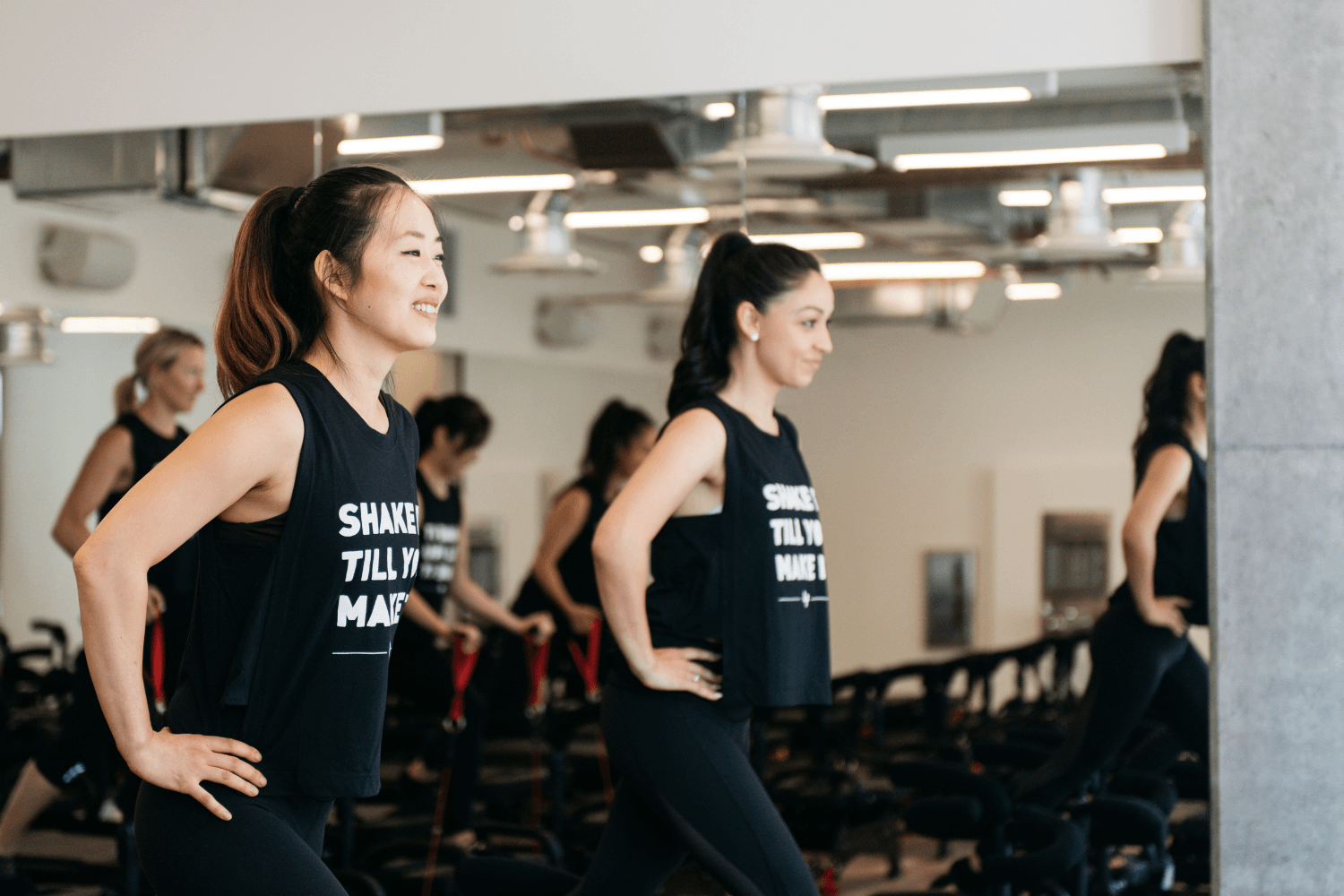
That’s where Lagree for runners comes in. This low-impact, high-efficiency workout method builds strength, stability, and flexibility. These are the very foundations runners need to perform and recover well. Using controlled resistance and time under tension, Lagree helps develop the muscle endurance and mobility that running alone can’t deliver.
Whether you’re managing tight hips, nagging knee pain, or simply looking to enhance running efficiency, Lagree offers the perfect cross-training for marathons. This article explains how Lagree supports your training cycle, reduces injury risk, and enhances performance from your first long run to the finish line.
Why Runners Need More Than Just Miles
Logging miles will make you a better runner, but only to a point. Distance training puts repetitive strain on your muscles and joints, often leading to imbalances that eventually cause pain or injury.
Common issues like IT band syndrome, shin splints, tight hip flexors, and weak glutes are all signs of one-sided development. When you’re running thousands of steps in the same motion, smaller stabilizing muscles, like your adductors, abductors, and deep core, often get neglected.
Without balance between strength and flexibility, your body can’t absorb or distribute impact efficiently. The result? Tight hips, sore knees, or chronic fatigue that no amount of stretching or foam rolling can fix.
The solution is strength training for runners that improves joint stability, mobility, and total-body alignment. Lagree combines all three in one precise, low-impact session, targeting muscles runners depend on most while keeping the stress off the joints that take a beating on the road.
For long-term resilience and performance, this kind of smart conditioning is essential. It’s what keeps you running—not just faster, but longer.

How Lagree Complements Marathon Training
While running builds endurance through repetitive motion, Lagree strengthens the muscles that stabilize and support that motion. The two complement each other perfectly.
Here’s how Lagree fits into marathon prep:
- Builds endurance in slow-twitch muscle fibers without repetitive impact. You’ll train the muscles responsible for long-distance performance while allowing joints to recover.
- Improves balance and coordination by focusing on unilateral (one-sided) strength—vital for correcting gait imbalances and stride asymmetry.
- Targets the posterior chain (hamstrings, glutes, and calves) to prevent overreliance on quads and hip flexors, a common runner imbalance.
- Strengthens the deep core, stabilizing the pelvis and spine through every stride to improve running economy and posture.
Unlike high-impact gym routines or plyometric workouts, Lagree uses time under tension to create muscular endurance. The slow, controlled pace builds strength safely, without overtaxing already fatigued joints.
Key Benefits of Lagree for Runners
When integrated into your running program, Lagree becomes an invaluable tool for injury prevention, recovery, and overall athletic performance. Here’s why:
1. Reduces Risk of Injury
Running’s repetitive nature can overwork certain muscles and neglect others. Lagree addresses these imbalances head-on, particularly around the hips, knees, and ankles. Movements like lunges, skating, and core holds strengthen stabilizing muscles, reducing pressure on joints.
2. Improves Running Economy
Better muscle balance means more efficient energy transfer. Lagree enhances joint control, alignment, and posture, all of which contribute to smoother, stronger strides. Stronger glutes and adductors, in particular, help reduce side-to-side movement and wasted effort with every step.
3. Activates Underused Muscles
Runners often underuse the glutes, inner thighs, and deep core. Lagree isolates these muscles using slow, precise resistance to bring them back into balance. Over time, this builds greater pelvic stability—key for preventing overuse injuries and improving stride power.
4. Promotes Mobility
Tight hips, hamstrings, and calves are every runner’s nemesis. Lagree’s dynamic range-of-motion work increases flexibility and mobility without static stretching. For example, exercises like Plank to Pike and Inner Thigh Lunge stretch and strengthen simultaneously, training flexibility through strength.

Top Lagree Exercises to Support Marathon Training
These five Lagree moves specifically complement the muscular demands of running:
- Elevator Lunge
Targets: Quads, hamstrings, glutes
Why it helps: Builds unilateral leg strength and joint stability—essential for even stride power and preventing knee misalignment. - Bear
Targets: Deep core, shoulders, and stabilizers
Why it helps: Reinforces spinal stability and core endurance for upright posture and efficient energy transfer. - Skater
Targets: Glutes, outer thighs, and lateral stabilizers
Why it helps: Develops side-to-side strength to prevent knee collapse and improve single-leg control. - Inner Thigh
Targets: Adductors
Why it helps: Strengthens inner thighs for better gait mechanics and balanced leg alignment. - Plank to Pike
Targets: Core and hamstrings
Why it helps: Improves spinal mobility and core integration while gently stretching tight posterior muscles.
These exercises work synergistically to enhance both stability and elasticity, two qualities that determine how efficiently you run and recover.
When to Add Lagree Into Your Training Plan
For most runners, integrating Lagree 1–2 times per week yields optimal results. It can fit seamlessly into any marathon training plan with a little strategy:
- During Mileage Buildup: Use Lagree once or twice weekly to strengthen stabilizers and reduce fatigue accumulation.
- On Recovery or Cross-Training Days: Lagree serves as active recovery, keeping blood flowing and muscles engaged without pounding the pavement.
- During Tapering: As mileage drops, Lagree helps maintain strength, mobility, and mental focus.
- Post-Race: After the finish line, Lagree promotes circulation and gentle stretching for faster recovery.

Smart Cross-Training = Stronger Finish Line
Running alone doesn’t build the balance, power, and stability you need to stay injury-free. That’s why every smart endurance athlete should incorporate targeted strength and mobility work into their routine.
Lagree for runners bridges the gap perfectly. It activates stabilizers, strengthens the posterior chain, and builds deep core endurance—all without the wear and tear of traditional gym workouts. With consistent practice, you’ll feel stronger during runs, recover faster between sessions, and reduce your risk of injury.
The best part? Lagree is scalable. Whether you’re a first-time marathoner or a seasoned triathlete, every session adapts to your level while challenging your limits safely.
Ready to Train Smarter?
You don’t need to run harder to run better—you just need to train smarter. Adding Lagree 1–2 times per week builds the foundation every runner needs: strong muscles, stable joints, and mobile movement patterns.
Lagree complements your training by targeting key stabilizers, improving flexibility, and supporting recovery—so you can log more miles with less strain.
Ready to train smarter and cross the finish line stronger? Book a class at Lagree Fit 415 today and feel the difference on your next long run.