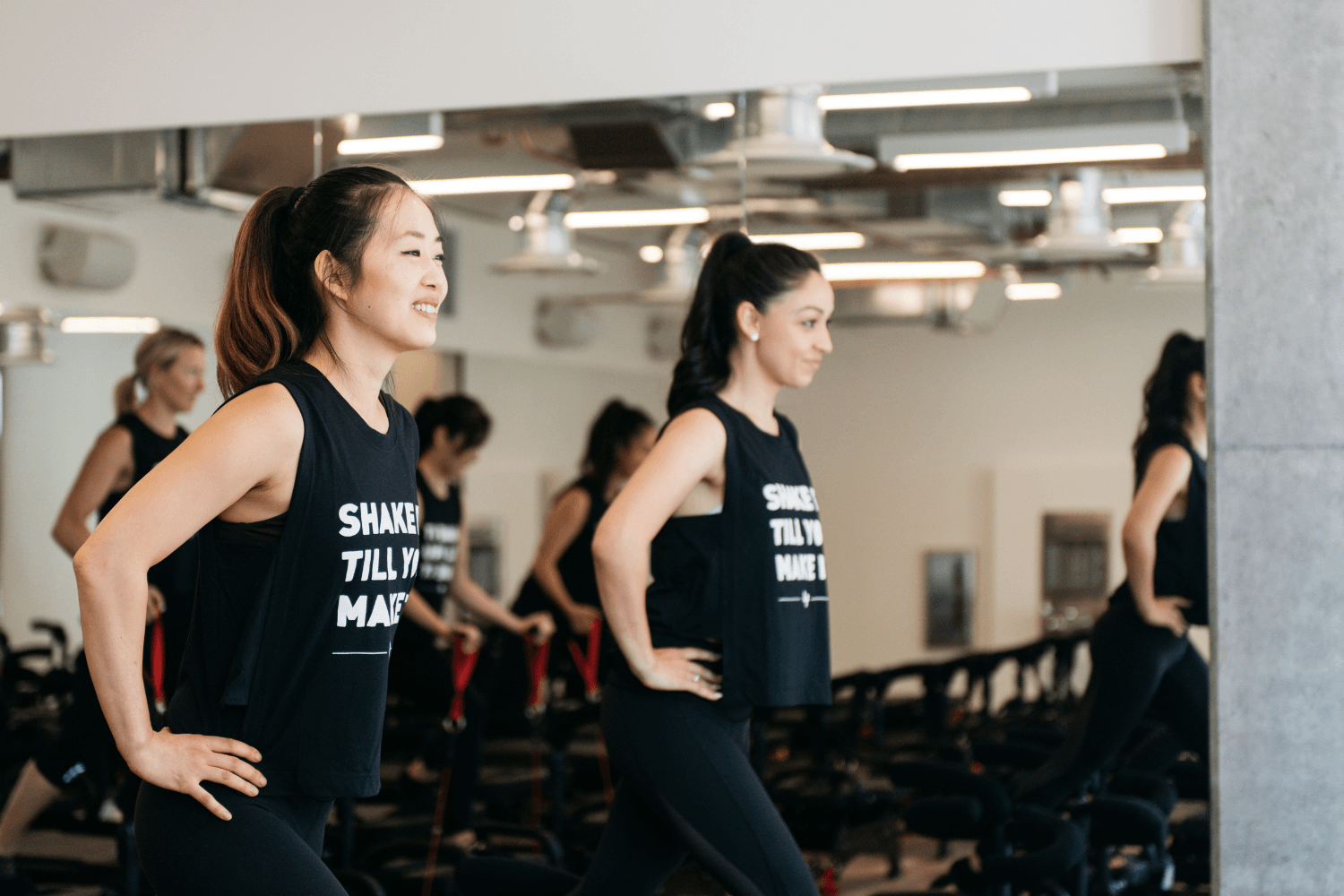
Starting a fitness routine can feel intimidating when you are not sure where to begin. You may worry about looking out of place, using equipment incorrectly, or walking into a class where everyone seems more experienced.
The right beginner workout should not expect you to arrive already strong, coordinated, or confident. It should help you develop those qualities over time.
Lagree removes many of the barriers that make exercise feel inaccessible. It is low-impact, instructor-guided, and adjustable for different fitness levels. You receive direction throughout the class, and every movement can be modified based on your ability.
September is also a natural time to begin. As summer ends and regular schedules return, fall offers an opportunity to create new routines and build momentum before the busiest months of the year.
What Makes a Workout Good for Beginners?
The best new to fitness workouts provide structure without placing unnecessary stress on the body. Beginners are still learning proper alignment, movement control, and the difference between productive muscle fatigue and pain.
A beginner-friendly workout should have a low risk of injury. Lagree uses slow, controlled movements without repetitive jumping or heavy free weights that become harder to manage as fatigue builds.
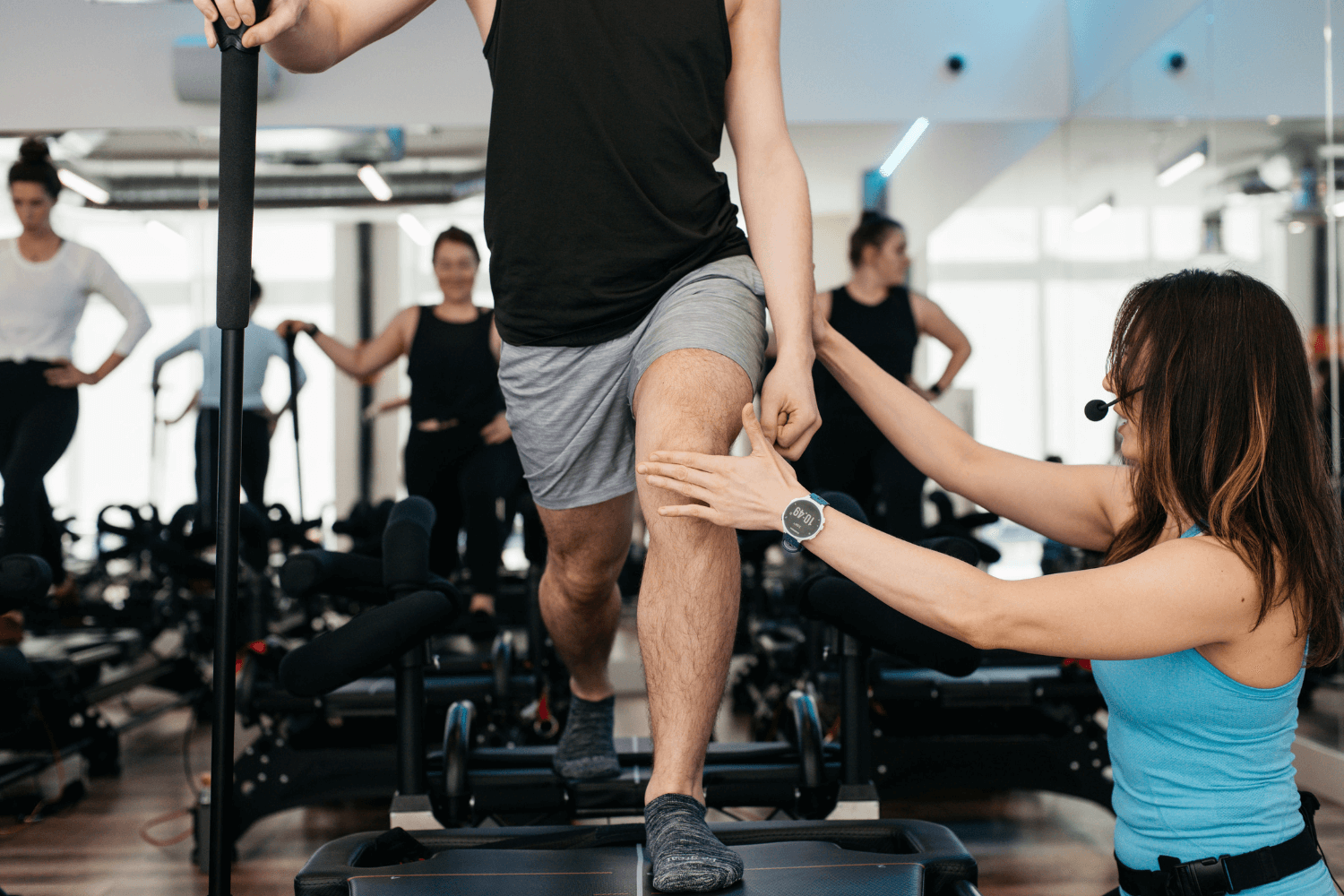
Good beginner workouts also include clear instruction. Instead of walking into a gym and creating your own program, you follow a trained instructor who explains the exercises, transitions, pace, and positioning.
Scalability is equally important. A workout should adjust to your current level rather than require you to meet a fixed standard. Lagree provides modifications and progressions, allowing beginners and experienced clients to participate in the same class.
The method also continues to challenge you as you improve. You do not need to switch workouts once you become stronger. You can refine your form, try progressions, and increase the intensity within the same method.
What Is Lagree, and Why Do People Confuse It with Pilates?
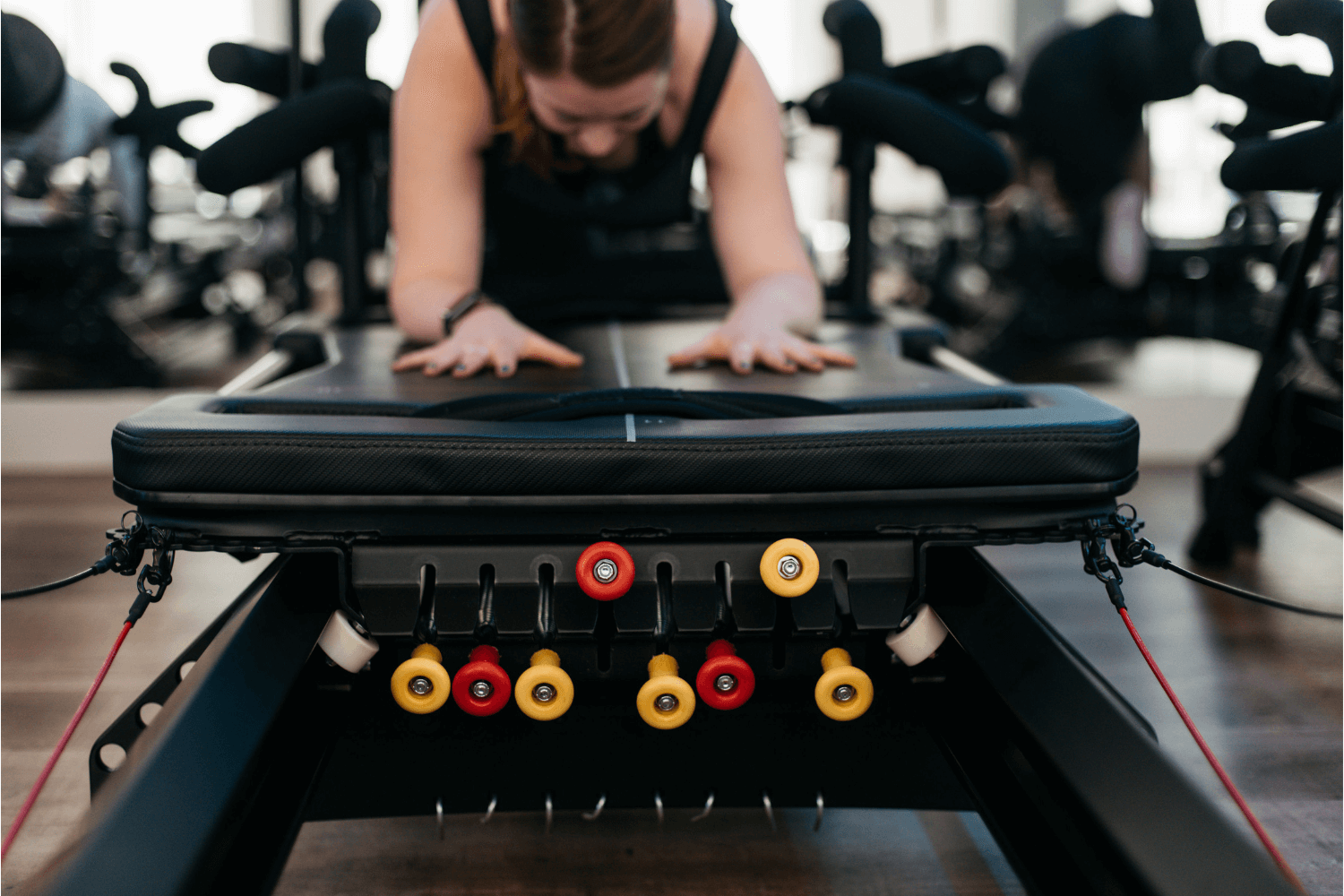
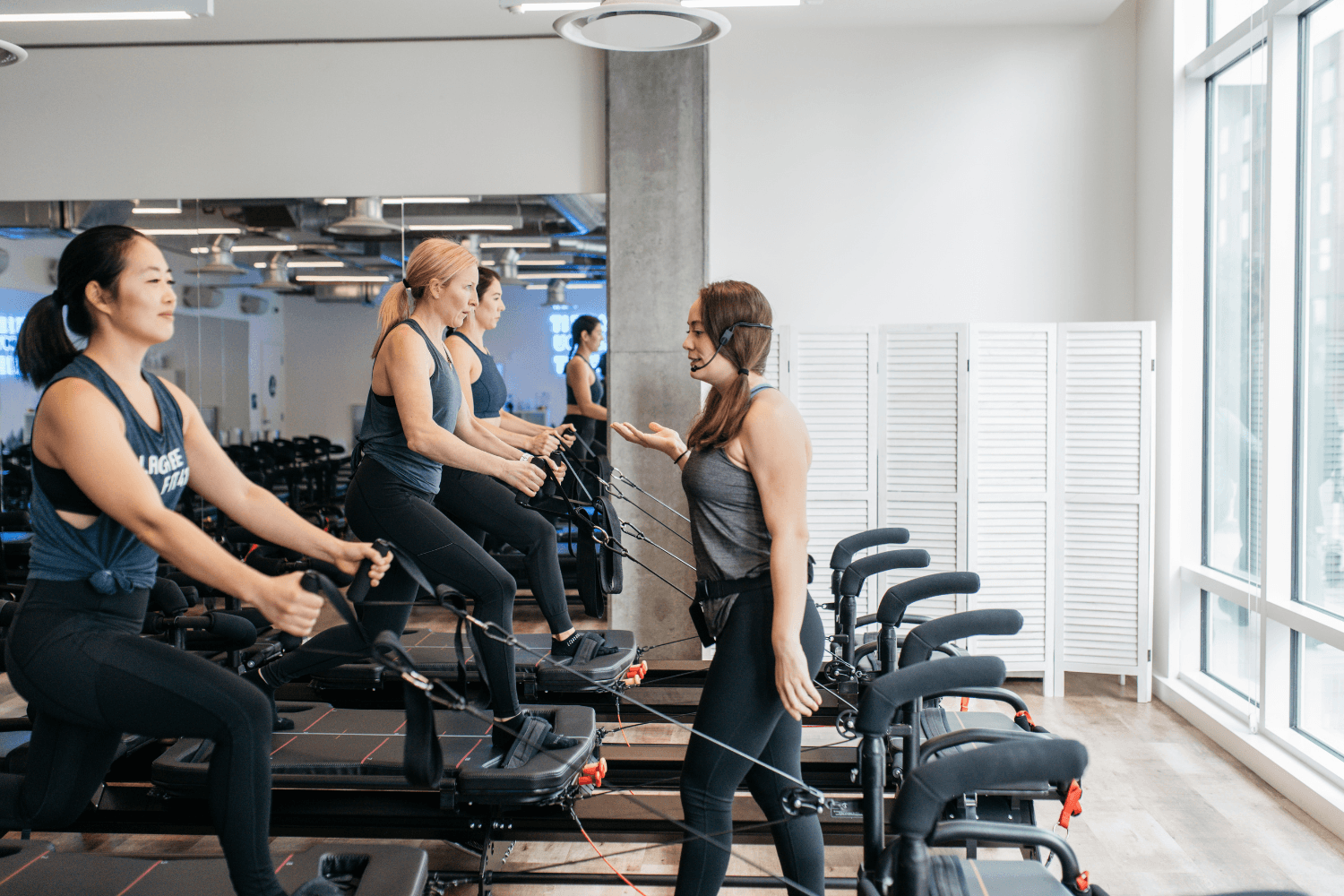
Lagree is a full-body fitness method performed on a resistance-based machine called the Megaformer. Exercises are completed at a slow, deliberate pace that keeps the muscles working continuously.
People often compare Lagree to Pilates because both emphasize control, alignment, core engagement, and a strong mind-body connection. However, Lagree adds spring resistance, extended time under tension, and quicker transitions between exercises.
Many people searching for beginner Pilates discover Lagree because they want a guided, low-impact workout. They often find that Lagree provides the controlled movement they expected from beginner Pilates while offering a more progressive strength and endurance challenge.
The Megaformer may look intimidating, but you are not expected to understand it immediately. Before class, your instructor will introduce you to the machine, explain its main parts, and show you how to move safely between positions.
Why Lagree Is the Ideal New-to-Fitness Workout
You do not need an existing fitness base to begin Lagree. The machine’s spring resistance and exercise variations can be adjusted to match your strength, mobility, and experience.
This makes Lagree one of the most adaptable new to fitness workouts. Instead of trying to keep pace with someone who has attended for years, you can focus on performing your version of each movement correctly.
Lagree is also low-impact, meaning it minimizes forceful stress on the joints. This is particularly valuable for beginners who have not established consistent movement patterns or who are returning to exercise after a long break.
At Lagree Fit 415, classes are 40 minutes. That is short enough to fit into a realistic schedule but long enough to train your core, upper body, lower body, balance, and muscular endurance.
Every exercise also has options. One person may use a supported position while another performs an advanced progression. No one is expected to complete every movement in exactly the same way.

What Beginners Experience in Their First Lagree Class
Lagree is slow-paced, but it does not feel easy. Moving slowly removes momentum and requires your muscles to remain engaged. You may fatigue much faster than expected, even during exercises that appear simple.
You may also experience the famous Lagree shake. This happens when your muscles work hard to maintain a position under continuous tension. Shaking does not mean you are weak or doing something wrong. It is a normal response to muscle fatigue and increased neuromuscular demand.
You probably will not complete every exercise perfectly during your first class. That is completely normal. You are learning the Megaformer, the names of the movements, and how to respond to the instructor’s cues.
After class, you may notice soreness in muscles you do not normally feel. Give yourself time to recover, stay hydrated, and use gentle movement such as walking between sessions.
Easy Low-Impact Exercise That Produces Real Results
The phrase easy low-impact exercise can be misleading. Low-impact describes the amount of force placed on your joints, not the amount of effort required from your muscles.
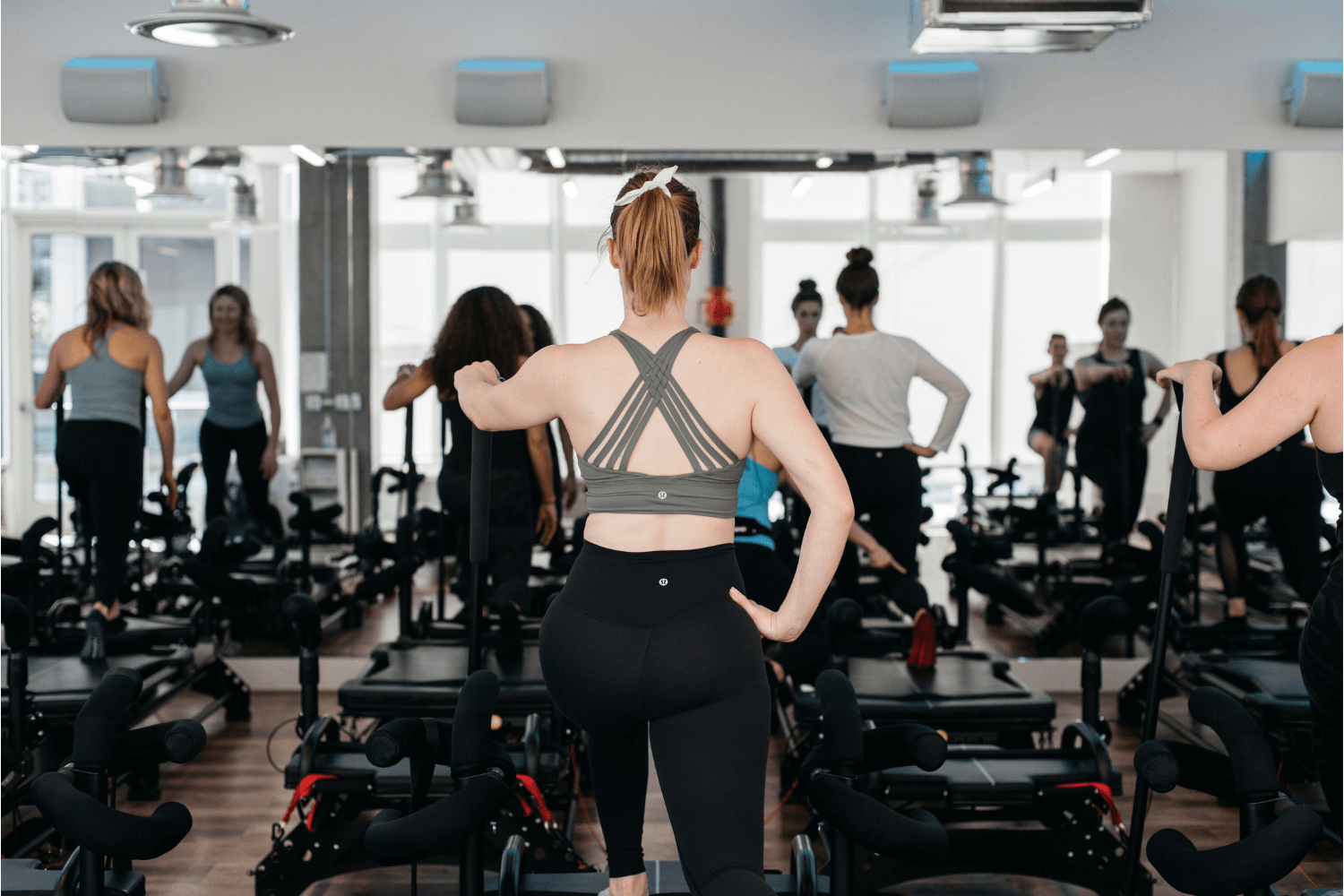
Lagree uses a slow tempo, spring resistance, and continuous tension to create significant muscular demand without relying on jumping or pounding movements. A lunge performed slowly on the Megaformer can become extremely challenging because your legs remain under tension throughout the exercise.
For beginners, this combination is valuable. You can build strength and endurance without immediately exposing your body to the joint stress associated with running, high-impact interval training, or poorly controlled heavy lifting.
Lagree can support stronger posture, better balance, improved muscular endurance, and greater confidence during daily activities. Carrying groceries, climbing stairs, and sitting with better alignment may begin to feel easier.
For anyone seeking easy low-impact exercise that still creates a meaningful challenge, Lagree offers a balance of accessibility and intensity.
What to Expect in Your First Month of Lagree
During weeks one and two, your main job is learning. You will become familiar with the Megaformer, improve your body awareness, and begin understanding the instructor’s terminology. Soreness may be noticeable as your body adapts to a new training stimulus.
During weeks three and four, movements often start feeling more familiar. You may understand where your feet should go before the instructor finishes explaining the setup. You may also become better at recognizing which muscles should be working.
By the end of your first month, consistent attendance can improve your posture, stability, and endurance. Attending two or three times per week gives you regular practice while still allowing time for recovery.
You do not have to be good at Lagree for Lagree to be good for you. Progress comes from returning, practicing, and allowing your body to adapt.

How Lagree Compares to Other Beginner-Friendly Options
At a traditional gym, beginners often need to choose exercises, determine resistance levels, and monitor their own form. Lagree removes much of that guesswork because an instructor leads the full session.
Yoga can improve mobility, breathing, and body awareness. Lagree includes a similar mind-body focus but places more emphasis on muscular resistance and full-body strength.
Running is accessible, but it is repetitive and primarily lower-body focused. Lagree offers lower joint impact while training the core, arms, legs, and stabilizing muscles.
Barre is another popular low-impact option. It can help improve balance and muscular endurance, but Lagree generally provides more resistance and a clearer path for progressive strength development. Barre can complement Lagree, while Lagree offers a more comprehensive standalone workout.
Tips for Your First Lagree Class at Lagree Fit 415
Arrive at least 10 minutes early. First-time clients need time to check in, meet the instructor, and receive an introduction to the Megaformer.
Wear fitted, comfortable clothing that allows you to move freely. Fitted clothing also helps instructors see your alignment and provide more accurate corrections.
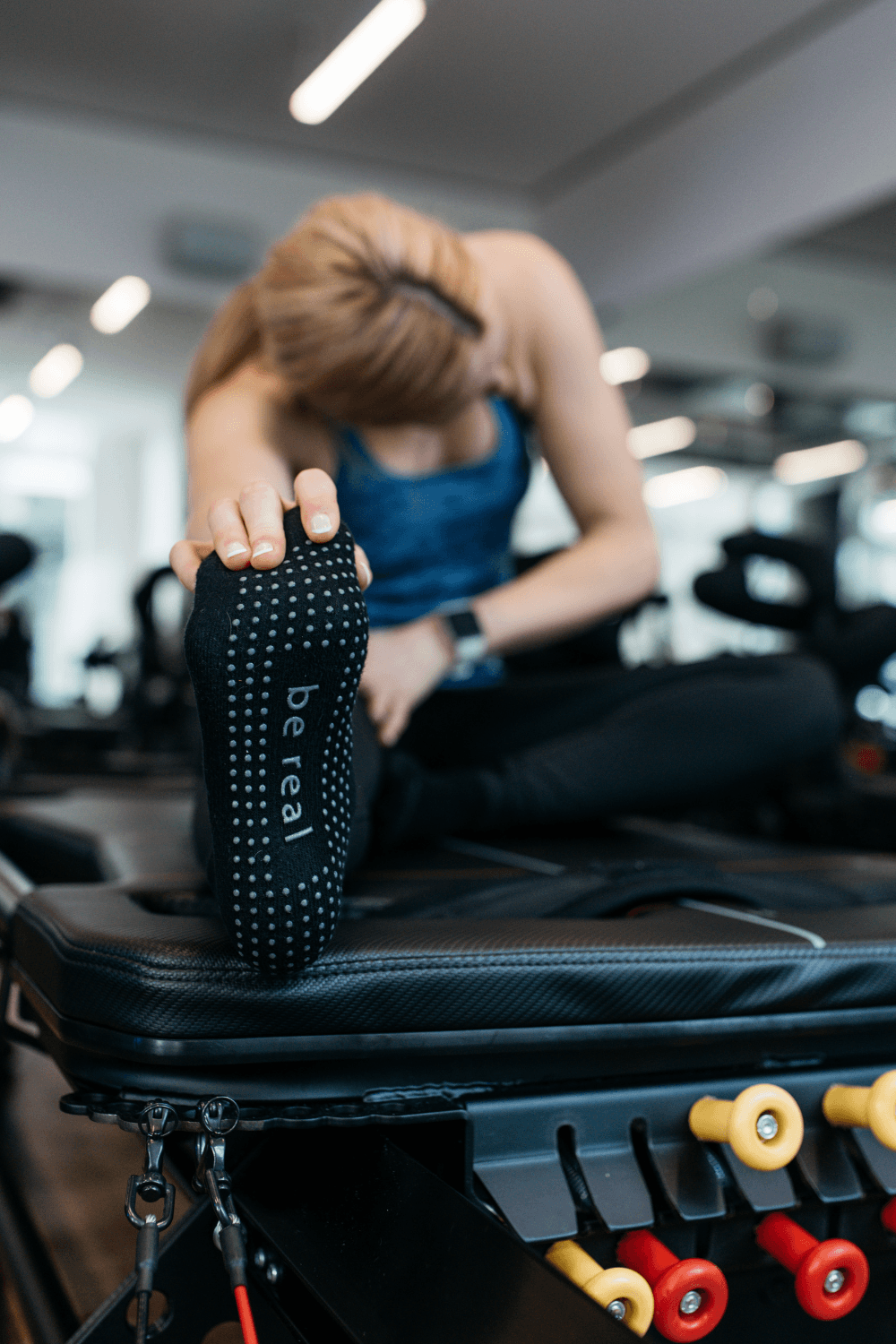
Sticky socks are required for safety and cleanliness. You can bring your own or purchase a pair at the studio.
Tell the instructor that it is your first class and mention any injuries, limitations, or concerns. This allows them to recommend appropriate modifications and monitor your form.
Most importantly, do not compare yourself to anyone else. The person next to you may have completed 100 classes, while you are completing your first. Both of you can be challenged by different versions of the same movement.
Your First Class Is Waiting
Lagree is designed around progression, not perfection. You do not need to become fit before walking through the studio doors. You begin where you are, learn one movement at a time, and gradually build strength, endurance, and confidence.
For people researching beginner Pilates, exploring new to fitness workouts, or looking for easy low-impact exercise that still feels effective, Lagree is a smart place to start.
September brings the energy of a fresh routine without the pressure of a New Year’s resolution. It is a chance to establish healthy habits, build momentum through the fall, and enter the end of the year feeling stronger.
Book your first class at Lagree Fit 415. Arrive early for your introduction to the Megaformer, grab a pair of sticky socks if needed, and let the team meet you exactly where you are.